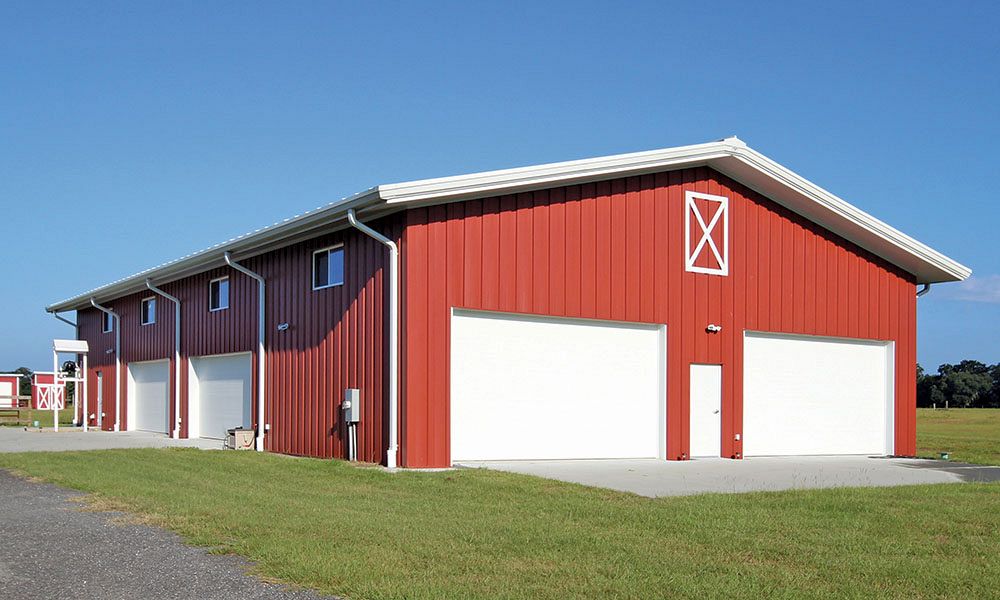
As winter fades and temperatures start to rise, spring brings the perfect opportunity to inspect, refresh, and prepare your pole barn for the year ahead. Whether your structure is used for storage, livestock, vehicles, or a workshop, an annual spring maintenance routine keeps it in top shape and extends its lifespan.
A pole barn is a major investment—and just like any building, it relies on consistent upkeep. Below is a practical spring checklist that takes you step by step through what to inspect, clean, and repair for long-term durability.
1. Inspect the Roof and Gutters
Start from the top. Winter snow and ice can leave hidden damage that can lead to bigger issues down the line.
- Check for loose or missing panels. Look for warping, rust, or punctures that could compromise the building’s ability to shed water.
- Clean debris from gutters. Leaves, twigs, and sediment block drainage, causing water to back up and erode the foundation.
- Flush downspouts. Make sure water flows freely away from the barn; redirect downspouts if puddles form near posts or doors.
A quick roof inspection now prevents costly leaks or structural strain later in the rainy season.
2. Examine the Foundation and Posts
The integrity of a pole barn starts with the posts. Inspect the base of each post, looking for signs of shifting, settling, or rot.
- Look for soil erosion or pooling water. These conditions indicate poor drainage that could weaken embedded posts over time.
- Check interior flooring. If your barn has a concrete or gravel floor, scan for cracks or uneven settling.
- Tamp loose soil. Repack low spots near the foundation to keep moisture from seeping inward.
Focus especially on the corners—these areas often show the first signs of wear.
3. Refresh Exterior Finishes
Sun, wind, and weather gradually dull paint, sealant, and siding. Spring’s mild temperatures make it ideal for touchups.
- Wash exterior panels and doors. Use a low-pressure hose or soft brush to remove dirt and mildew.
- Repaint or reseal exposed wood. This barrier slows UV damage and prevents moisture penetration.
- Check trim and flashing. Tighten or replace pieces that show rust or corrosion.
A well-kept exterior doesn’t just look better—it truly extends your barn’s lifespan by protecting structural materials.
4. Clean and Lubricate Doors, Windows, and Hardware
Smooth movement saves time and reduces unnecessary stress on moving parts.
- Lubricate sliding tracks and hinges. A silicone spray or light oil helps prevent sticking caused by winter moisture.
- Clean window panes. This not only brightens the space but also helps spot small cracks before they expand.
- Adjust misaligned doors. Proper closure prevents wind, pests, and moisture from entering.
Take a few minutes to test each latch, roller, and crank—small mechanical issues are easiest to fix before busy spring usage begins.
5. Check the Interior Environment
Once the outside is sealed and sound, turn your attention inward.
- Inspect interior framing. Look for bowing, pest damage, or rust on fasteners.
- Remove clutter and sweep out debris. This discourages rodents and keeps the area ready for equipment storage or livestock.
- Look at insulation for pole barns. Ensure the material remains dry and intact since moisture can lead to mold, energy loss, or unpleasant odors over time.
If you notice condensation or drafts, consider improving ventilation or sealing gaps around windows and doors.
6. Evaluate Ventilation and Air Quality
Fresh air circulation is often overlooked but vital for metal and wooden barns alike.
- Test roof vents and fans. Clear blockages from dust, nests, or webs.
- Open ridge or gable vents. Check that airflow feels balanced across the space.
- Smell for mustiness. Persistent odors may indicate trapped humidity that can promote rust or mold.
Good airflow protects both equipment and livestock and makes your working environment healthier.
7. Review Electrical and Lighting Systems
After a long winter, electrical connections may need tightening or updating for safety.
- Inspect visible wiring. Look for frayed cords, rusted outlets, or animal damage.
- Replace bulbs with LEDs. They reduce energy use and generate less heat—ideal for enclosed barns.
- Test outlets and switches. If lights flicker or buzz, call a licensed electrician for inspection.
Efficient lighting also makes early morning or evening work safer and easier.
8. Plan for Seasonal Upgrades
Spring is ideal for scheduling any major improvements before summer heat arrives.
Consider:
- Adding skylights or solar ventilation fans.
- Installing new shelving or storage racks.
- Upgrading flooring to improve drainage.
- Replace or clean equipment before heavy use.
Making proactive upgrades now prevents mid-season disruptions later.
A spring maintenance checklist keeps your pole barn performing its best and prevents small issues from snowballing into expensive repairs. By dedicating just a weekend or two to inspections, cleaning, and minor fixes, you’ll protect your investment for years to come.
Think of it this way—preventive care is the secret to a long-lasting barn. You’ll save money, work more efficiently, and have peace of mind knowing your structure can handle whatever winter brings next.