Key Highlights
- Teak wood possesses a naturally high oil content, making it superior for moisture resistance.
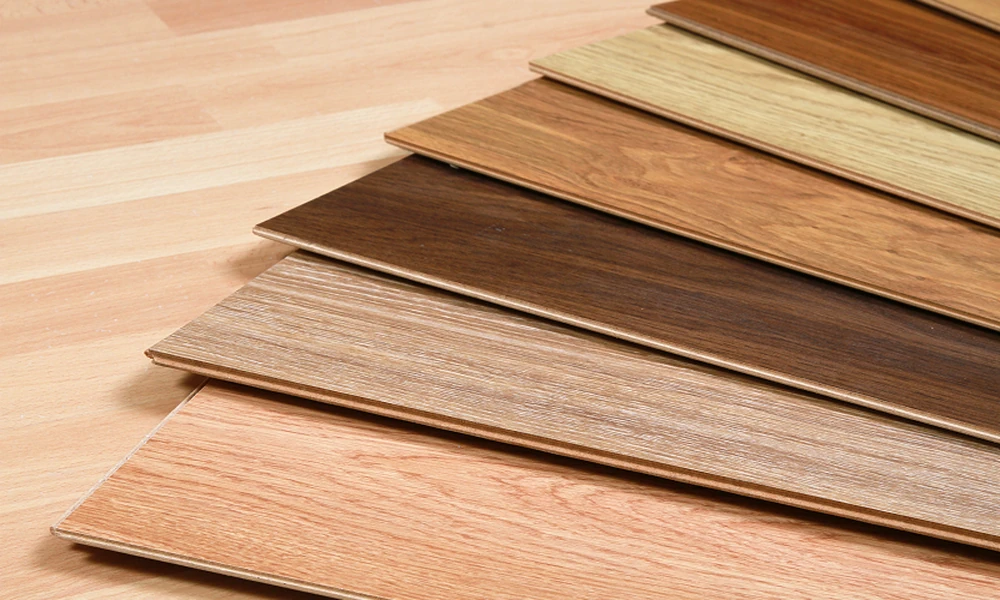
- Solid wood flooring encompasses a variety of species, each with unique hardness levels.
- Colour stability varies, with teak developing a deeper, richer patina over time.
- Maintenance needs differ based on the wood’s inherent density and protective finish.
Introduction
When it comes to choosing high-end flooring for a renovation, nothing quite matches the natural beauty and luxury of real timber. Homeowners often find themselves choosing between general solid wood flooring and the more specific, highly coveted teak wood. While both options provide a warm, organic feel that synthetic laminates cannot replicate, they possess distinct characteristics that can affect their performance in a residential setting. Understanding these differences is particularly important in a tropical environment like Singapore, where humidity and temperature fluctuations can impact the stability of natural materials. Whether you are aiming for a classic look or a durable solution for a high-traffic area, knowing the nuances of each material will help you make a choice that balances aesthetic appeal with long-term functionality and ease of care.
1. Natural Oil Content and Moisture Resistance
The most significant technical difference between these two options lies in their chemical makeup. Teak wood is famous for its exceptionally high natural oil and rubber content. These properties act as a built-in preservative, making the wood naturally resistant to rot, fungi, and even some pests. This makes it an ideal choice for the humid Singaporean climate, as it is less likely to warp or buckle when exposed to moisture. In contrast, while other types of solid wood flooring-such as oak, maple, or walnut-are incredibly beautiful and durable, they generally lack the same level of internal oil. They rely more heavily on external sealants and varnishes to protect them from environmental changes. For areas where moisture might be a slight concern, teak offers a layer of natural protection that other hardwoods cannot match.
2. Durability and Hardness Variations
The term solid wood flooring is a broad category that includes many different species, each with a different rating on the Janka hardness scale. For example, species like Brazilian Cherry or Ipe are significantly harder than teak. Teak is considered a medium-to-hard wood, which means it provides a comfortable “give” underfoot while still being tough enough for daily residential use. However, because it is slightly softer than some other hardwoods, it may be more prone to small indentations from heavy furniture or sharp objects. On the other hand, choosing a very hard solid wood species can offer better scratch resistance in high-traffic commercial areas. When selecting between them, you must weigh the supreme stability and moisture resistance of teak against the extreme surface hardness of other available timber species.
3. Aesthetic Ageing and Colour Consistency
The visual transformation of the wood over time is another factor to consider. Teak wood is renowned for its stunning golden-brown hue, which often features dark streaks and a beautiful, straight grain. As teak ages, it tends to mellow into a more uniform, rich brown colour, especially when exposed to light. This “mellowing” process is one of the reasons many homeowners find it so attractive. Other types of solid wood flooring have different ageing characteristics. For instance, light woods like ash or maple might yellow over time, while cherry wood can darken significantly. If you are looking for a specific colour palette that remains stable, you should research how your chosen species reacts to UV light. Teak’s graceful ageing process is often seen as a mark of quality and luxury that adds value to a property.
4. Maintenance and Refinishing Potential
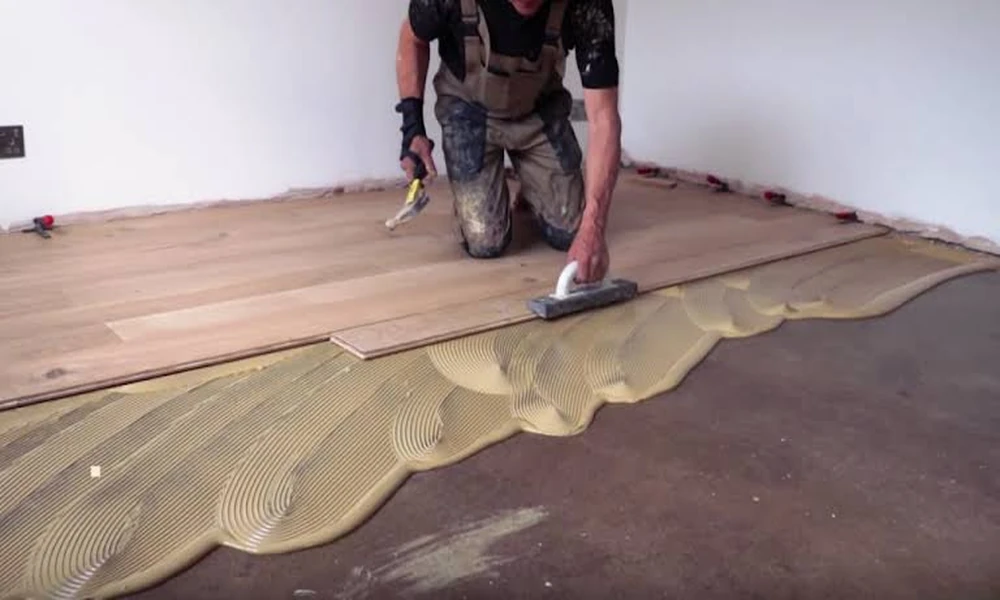
Both materials offer the advantage of being able to be sanded and refinished multiple times, which can make them last for many decades. However, the maintenance routines can differ. Because teak wood is so oily, it sometimes requires specialised primers if you ever decide to change the stain or topcoat. Its natural oils also mean that it doesn’t always need the same heavy-duty chemical sealants that other solid wood flooring might require to look its best. Other hardwoods may need more frequent applications of wax or lacquer to maintain their lustre and protect them from drying out. Regardless of which you choose, both represent a lifetime investment. While the initial cost of teak might be higher than some other solid wood options, its ease of maintenance and resistance to climate-related damage often result in lower long-term costs.
Conclusion
Choosing between solid wood flooring and teak wood depends on your specific priorities for your home. If you value a wood that is naturally adapted to a tropical climate and offers a prestigious, classic look, teak is an unmatched choice. However, if you are looking for a specific level of hardness or a unique grain pattern not found in teak, exploring the wider world of solid wood species will yield excellent results. Both options bring a level of sophistication and value to a home that simply cannot be found in artificial alternatives. By understanding the differences in moisture resistance, hardness, aesthetic aging, and maintenance, you can select the flooring that best fits your lifestyle and design vision. No matter your choice, the warmth of real wood will always make a house feel more like a home.
Ready to elevate your home with the timeless beauty of timber? Contact Wood Capitol to explore our premium range of solid wood flooring and discover the unique benefits of high-quality teak wood for your space.