Home improvements become harder to prioritize when several rooms and exterior surfaces need attention at once. A kitchen renovation may improve daily convenience, but a leaking roof or poorly sealed window can threaten the very finishes being installed. The order of work therefore matters almost as much as the improvements themselves.
In North Carolina’s Triangle region, humid summers, thunderstorms, and periods of heavy rainfall make exterior moisture protection particularly important. Older Raleigh and Durham homes may also have aging flashing, worn siding, and outdated windows, while newer houses can develop problems around installation details. Both situations require understanding which projects protect other investments before committing to cosmetic upgrades.
For Roofing, Siding, and Windows & Doors, Triangle Improvements provides exterior improvement services across Raleigh, Cary, Durham, and surrounding North Carolina communities. Its services also include Bathrooms and Kitchens for homeowners planning interior renovations. Property owners can request a project consultation to discuss priorities and coordinate improvements.
The Trade Off Between Protection and Appearance
A home improvement plan should weigh structural protection, immediate comfort, long term durability, and available resources. These priorities sometimes compete, especially when exterior maintenance and interior remodeling are needed simultaneously.
| Home project | What it affects | How the trade off plays out |
|---|---|---|
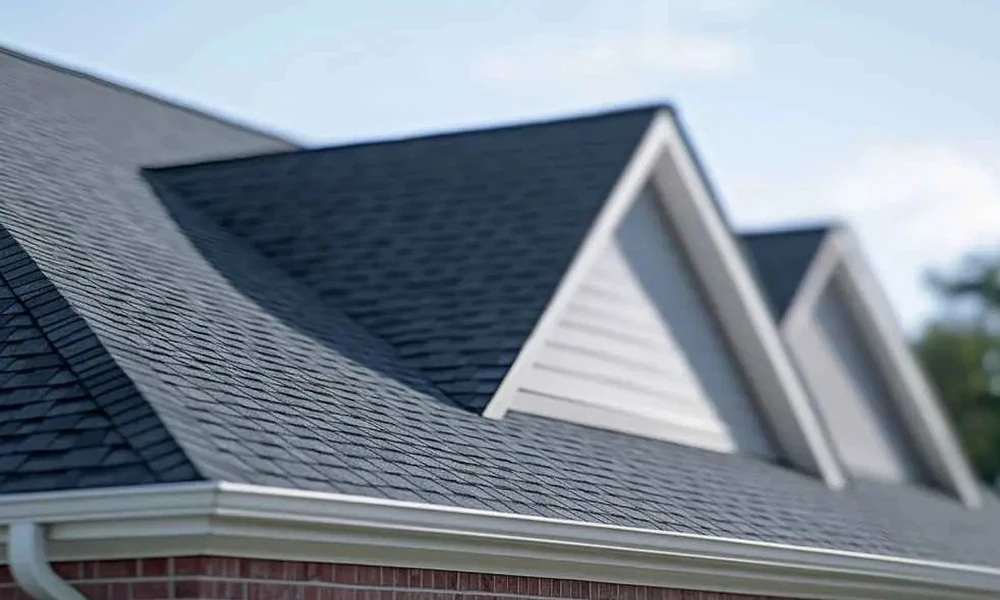
| Roofing | Weather protection, decking, attic | Usually precedes interior finishes when leakage exists |
| Siding | Wall sheathing, insulation, exterior appearance | Water damage should be corrected before interior wall work |
| Windows and doors | Air leakage, moisture entry, comfort | Replacement may affect adjacent trim and finished walls |
| Gutters | Roof drainage, foundations, siding | Smaller drainage repairs can protect larger investments |
| Bathrooms | Waterproofing, plumbing, daily convenience | Concealed moisture problems take priority over cosmetic upgrades |
| Kitchens | Function, cabinetry, plumbing, electrical systems | Layout and utility decisions should precede new finishes |
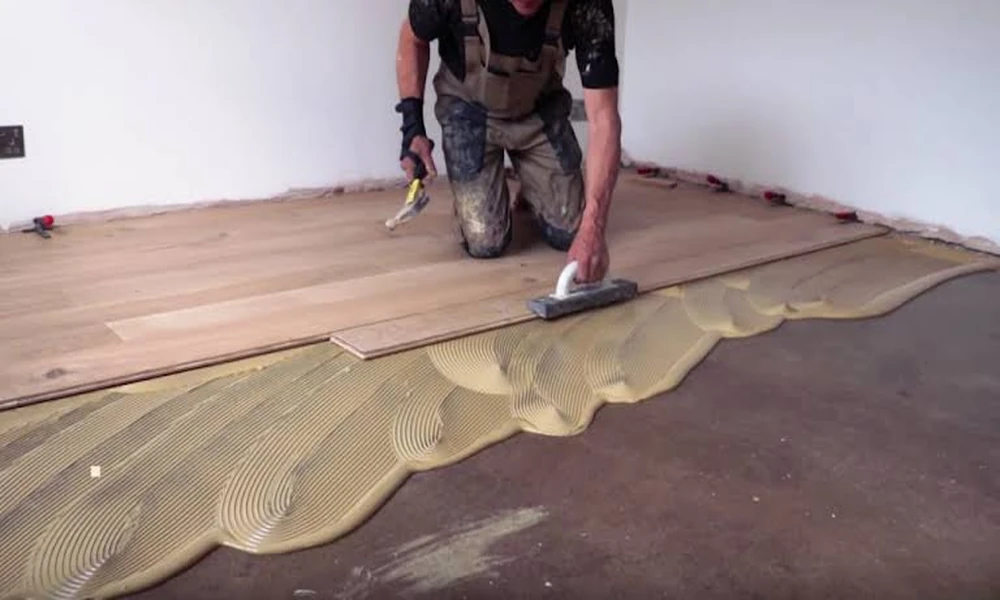
| Flooring | Appearance, comfort, finished surfaces | Best completed after messy or moisture producing work |
Protecting the Structure Versus Improving the Interior
Exterior protection: Roofing, siding, windows, and gutters form overlapping defenses against rainfall. Their condition determines whether newly remodeled rooms remain protected from unwanted moisture.
The EPA guidance on moisture protection during remodeling explains that effective flashing, drainage, and moisture control help prevent water damage in roof and wall assemblies.
Interior improvements: Bathrooms, kitchens, and flooring primarily enhance usability and living conditions. However, these projects also involve moisture protection, particularly around showers, sinks, plumbing penetrations, and subfloors.
The trade off: Replacing kitchen cabinets while an exterior wall continues absorbing rainwater risks damaging the new installation. Conversely, a sound building exterior may allow a needed bathroom renovation to take priority without additional roofing work.
Practical sequence: Investigate active leaks, repair damaged exterior components, confirm affected areas are dry, and then proceed with interior finishes.
Completing Several Projects Together Versus Working in Phases
Combined projects: Coordinating roofing, siding, windows, and gutters in one project can reduce duplicated setup and limit conflicts between adjoining building components.
For example, replacing siding and windows together may simplify flashing integration. Window installation affects the wall’s drainage plane, so coordinating these details helps avoid disturbing completed finishes later.
Phased projects: Separating work into manageable stages allows homeowners to distribute spending and make decisions as conditions become clearer. It can also keep more of the house usable during construction.
The trade off: Completing everything simultaneously may improve coordination but requires a larger immediate commitment. Phasing reduces financial pressure, yet previously completed materials may need temporary protection or later adjustments.
Practical sequence: Group projects that share waterproofing details or require access to the same surfaces. Separate cosmetic projects when they do not interfere with unfinished structural work.
Budget Limitations Versus Long Term Durability
Immediate expense: The lowest initial quotation does not necessarily represent the lowest overall ownership cost. A limited repair can be sensible when deterioration is isolated, but repeated temporary work may become inefficient when damage is widespread.
Material durability: Roof coverings, siding products, window systems, and flooring materials have different maintenance requirements. Their performance also depends on proper installation and the surrounding building conditions.
The trade off: Spending more on a durable exterior component may delay a desirable interior upgrade. However, correcting an active moisture problem can prevent additional damage to insulation, subfloors, cabinetry, and drywall.
Practical sequence: Fund safety and active water intrusion corrections first, followed by improvements that reduce recurring deterioration. Cosmetic changes can follow once the structure is adequately protected.
For larger North Carolina remodeling contracts, homeowners can consult the North Carolina Licensing Board for General Contractors consumer guidance, which explains that general contractor licensing is required for qualifying projects valued at $40,000 or more.
Daily Disruption Versus Faster Project Completion
Occupied homes: Kitchen work can interrupt cooking, bathroom renovations can limit essential facilities, and flooring installation may temporarily restrict access between rooms.
Exterior work: Roofing and siding projects generally allow more interior activities to continue, although noise, dust, driveway access, and weather protection require planning.
The trade off: Multiple crews working simultaneously may shorten the overall construction period but increase daily disruption. A carefully phased approach may be easier for households with children, pets, or people working from home.
Practical sequence: Schedule major demolition and utility modifications before decorative finishes. Keep essential rooms operational where possible and avoid installing new flooring before heavy work is complete.
Coordinating Multiple Trades Without Repeating Work
Shared project responsibility: A contractor managing several trades can coordinate dependencies between roofing, siding, windows, and interior renovations. This reduces the chance that one crew completes work another crew must later disturb.
Clear work boundaries: Even with one contractor, homeowners need written specifications identifying materials, responsibilities, permits, protection measures, and inspection requirements.
Quality checkpoints: Moisture barriers and flashing should be inspected before they are concealed. Interior finishes should follow completion of necessary structural and plumbing corrections.
The trade off: Centralized coordination can simplify communication, but homeowners should still review individual project scopes, schedules, qualifications, and change procedures.
Conclusion
The right home improvement order depends on what threatens the property, what improves daily living, and which projects affect one another. Roofing, siding, windows, and drainage deserve early attention when they allow moisture into the structure. Bathrooms, kitchens, and flooring can then be planned around sound surfaces and completed utility work.
For Triangle area homeowners, combining related exterior improvements may reduce duplicated work, while phased interior renovations can help manage disruption and spending. A coordinated plan protects completed upgrades, avoids unnecessary rework, and ensures that each improvement supports the next.