
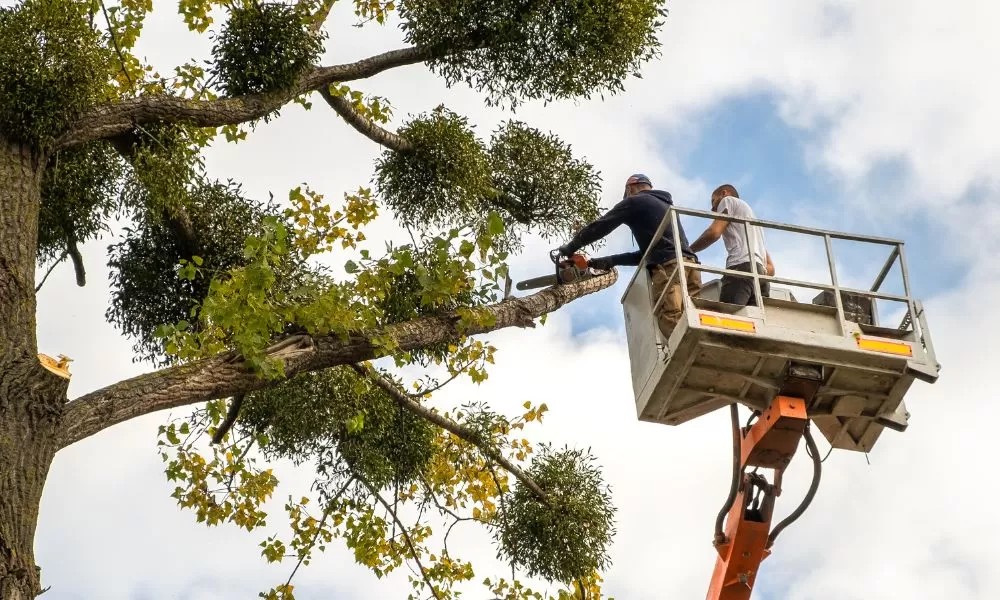
Tree cutting operations involve a combination of physical effort, technical skill, and situational awareness. Safety is not a single step but an ongoing practice throughout the entire process. Property owners exploring tree removal powder springs ga often expect not just efficient work, but also strict adherence to safety protocols that protect both people and property.
Establishing a Controlled Work Zone
Before any cutting begins, the area around the tree is clearly defined as a controlled zone. This includes marking boundaries and restricting access to prevent unauthorized entry. Only trained personnel are allowed within this zone, ensuring that no one is exposed to falling branches or moving equipment.
Maintaining this separation is one of the most important safety practices during tree cutting.
Communication Among Team Members
Clear communication plays a vital role in coordinating actions during the operation. Workers use verbal signals, hand gestures, or radios to stay aligned while performing tasks such as cutting, lifting, or guiding branches.
Miscommunication can lead to timing errors, which may increase the risk of accidents. Consistent coordination ensures that every step is executed as planned.
Use of Personal Protective Equipment
Safety gear is essential for anyone involved in tree cutting. This typically includes helmets, gloves, eye protection, hearing protection, and reinforced footwear. Protective equipment helps reduce the severity of injuries in case of unexpected incidents.
Professionals offering tree removal powder springs ga follow these practices to ensure that all team members are adequately protected throughout the job.
Proper Handling of Tools and Equipment
Chainsaws, ropes, harnesses, and cutting tools must be handled with care and precision. Equipment is inspected before use to ensure it is in proper working condition. Damaged or malfunctioning tools are replaced or repaired before the operation begins.
Correct handling techniques also prevent fatigue and improve control during cutting tasks.
Awareness of Surroundings
Tree cutting requires constant awareness of the environment. This includes monitoring overhead branches, ground conditions, nearby structures, and potential obstacles. Workers must anticipate how each cut will affect the balance and movement of the tree.
Environmental factors such as wind direction and terrain slope are also considered, as they can influence how branches fall or shift during removal.
Managing Unexpected Situations
Even with careful planning, unexpected situations can arise, such as hidden decay, sudden shifts in balance, or equipment issues. Professionals are trained to respond quickly and adjust their approach as needed.
Having contingency plans in place allows the team to pause, reassess, and continue safely without compromising the integrity of the operation.
Maintaining a Safe Exit Strategy
Each worker involved in tree cutting is aware of designated escape routes. These routes are planned so that individuals can move to a safe location if the tree or a branch falls unexpectedly.
This precaution is a standard part of safe operations and helps minimize risk during critical moments of the process.
Safety in tree cutting is built on preparation, coordination, and continuous awareness. By following these essential measures, professionals ensure that tree cutting operations are carried out responsibly, reducing risks while maintaining efficiency across projects involving tree removal powder springs ga.