
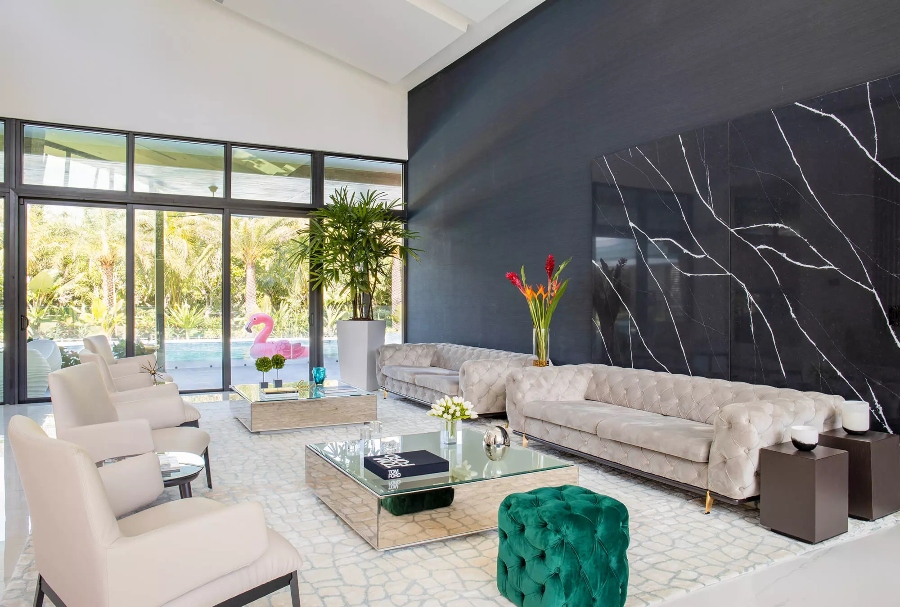
Miami has experienced significant population growth over the past decade, transforming the city into one of the most dynamic and desirable places to live in the United States. With new residents arriving from across the country and around the world, this steady influx is reshaping many aspects of daily life-including the demand for furniture.
As more people settle in Miami, the need to create functional, comfortable living spaces continues to rise. This growth is not just about numbers; it reflects changing lifestyles, housing trends, and consumer behaviors that directly influence how and why furniture is purchased.
An Influx of New Residents
One of the primary drivers of furniture demand in Miami is the constant arrival of new residents. People relocate to the city for various reasons, including career opportunities, lifestyle changes, and the appeal of warm weather and cultural diversity.
Many of these newcomers arrive with limited belongings, especially those moving from out of state or internationally. As a result, they often need to furnish their homes quickly after arrival.
This creates a consistent demand for essential furniture items such as:
- Beds and mattresses
- Sofas and seating
- Dining tables and chairs
The need to establish a comfortable home environment shortly after moving plays a major role in shaping purchasing patterns.
Expansion of Housing Developments
To accommodate population growth, Miami has seen a surge in new residential developments. High-rise condos, apartment complexes, and mixed-use communities are being built throughout the city.
Each new unit represents a potential demand for furniture. As these properties are occupied, residents must furnish their spaces, contributing to an ongoing cycle of demand.
Additionally, many of these developments feature modern layouts that encourage specific types of furniture, such as:
- Space-saving designs
- Multi-functional pieces
- Contemporary styles that match the architecture
This connection between housing trends and furniture preferences highlights how population growth influences not just quantity, but also the types of furniture people choose.
The Role of Remote Work and Relocation Trends
In recent years, Miami has become a popular destination for remote workers and professionals seeking a change of environment. This trend has accelerated population growth and introduced new expectations for home setups.
Remote workers often require:
- Dedicated workspaces
- Comfortable seating for long hours
- Flexible furniture that can adapt to different uses
As more people move to Miami with remote work in mind, furniture demand increasingly reflects these functional needs.
Short-Term vs. Long-Term Residents
Miami’s growing population includes both long-term residents and those who plan to stay for shorter periods. This mix creates diverse furniture needs.
Long-term residents may prioritize durability and long-lasting pieces, while short-term residents often look for:
- Quick setup solutions
- Affordable and practical items
- Furniture that can be easily moved or resold
This diversity in residency patterns contributes to a wide range of furniture demand across the city.
Urban Density and Space Considerations
As Miami becomes more densely populated, living spaces-especially in central areas-are often more compact. This shift influences how residents approach furnishing their homes.
Smaller spaces lead to increased demand for:
- Compact furniture
- Items with built-in storage
- Pieces that serve multiple functions
Population growth, therefore, doesn’t just increase demand-it also shapes the form and function of furniture.
Local Resources and Market Awareness
With so many people moving into the city, access to local information becomes essential. New residents often seek out resources to understand what furniture options are available and how to furnish their homes efficiently.
For example, exploring information available on Miami Furniture Outlet can give newcomers a better sense of what’s commonly used in Miami homes and how to approach furnishing their space.
This type of awareness helps streamline the process, especially for those unfamiliar with the local market.
Economic Activity and Consumer Spending
Population growth also stimulates economic activity, which in turn affects furniture demand. As more people live and work in Miami, there is increased spending on home-related goods.
This includes not only essential furniture but also decorative items and upgrades that enhance living spaces. Over time, this contributes to a more active and evolving furniture market.
Cultural Diversity and Design Preferences
Miami’s population growth brings with it a rich mix of cultures and backgrounds. This diversity influences furniture styles and preferences across the city.
Residents may incorporate elements from their cultural heritage into their home design, leading to a variety of:
- Color palettes
- Materials and textures
- Layout styles
This diversity adds depth to the furniture market, making it more dynamic and varied.
Adapting to a Fast-Changing City
As Miami continues to grow, adaptability becomes increasingly important. Residents often need furniture that can keep up with changing circumstances, whether it’s a move to a new neighborhood or a shift in lifestyle.
This has led to a greater emphasis on:
Population growth, therefore, encourages a more practical and forward-thinking approach to furnishing homes.
Conclusion
Miami’s growing population is a powerful force shaping furniture demand throughout the city. From the arrival of new residents and the expansion of housing developments to changing work patterns and cultural influences, many factors contribute to this ongoing trend.
As the city continues to evolve, so too will the ways in which people furnish their homes. By understanding the connection between population growth and furniture demand, residents can make more informed decisions that align with both their needs and the dynamic nature of Miami living.