
Soot is one of the most destructive byproducts of a fire, and it causes far more damage than most homeowners realize. Even after flames are out, soot continues to spread, stain, and corrode surfaces throughout a home. Because soot particles are extremely small and acidic, they can damage walls, ceilings, and HVAC systems long after the fire is over. Understanding how soot behaves helps explain why professional cleanup is critical.
What Soot Is and Why It Is So Harmful
Soot is made up of tiny carbon particles created when materials burn incompletely. These particles cling to surfaces and spread easily through the air. Unlike regular dirt or dust, soot is acidic, which means it actively eats away at materials over time.
When soot settles on walls and ceilings, it bonds to paint and drywall. On metal surfaces, it causes corrosion. Inside HVAC systems, soot coats ductwork and components, spreading contamination throughout the home every time the system runs.
How Soot Damages Walls and Ceilings
Walls and ceilings are some of the first surfaces affected by soot. Because drywall is porous, soot particles sink into the surface instead of staying on top. This leads to gray or yellow staining that becomes harder to remove the longer it sits.
If soot is wiped incorrectly, it can smear and permanently stain paint. Over time, untreated soot causes discoloration to bleed back through fresh paint, even after repainting. In severe cases, drywall must be replaced because cleaning alone cannot remove the damage.
Ceilings are especially vulnerable because smoke rises. Soot often collects there first, creating uneven staining and strong odors that linger above living spaces.
How Soot Affects HVAC Systems
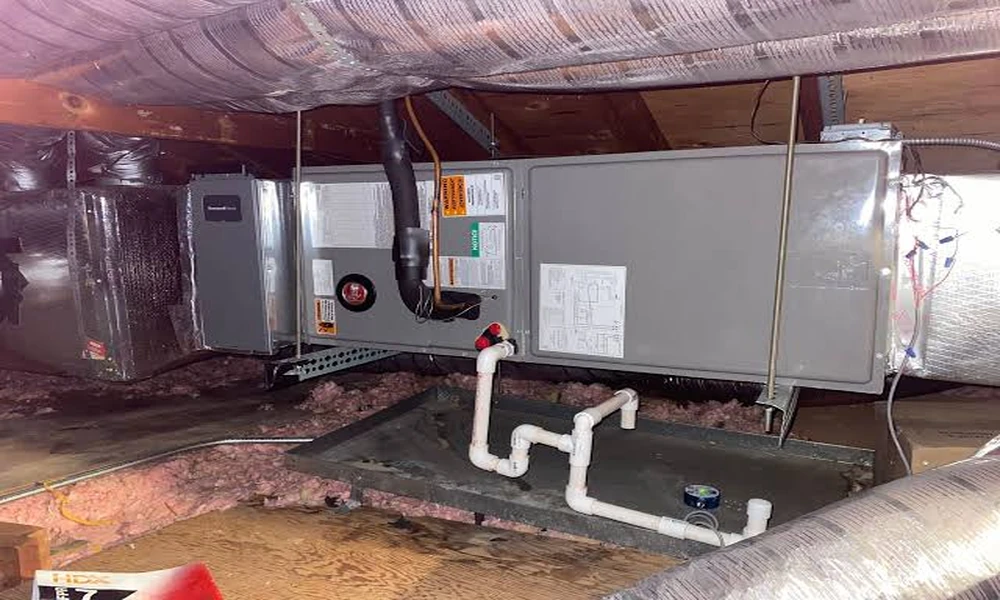
HVAC systems are one of the most dangerous places for soot contamination. Smoke is pulled into return vents during a fire and travels through ductwork, settling on internal components. Once inside the system, soot spreads throughout the home every time heating or cooling is used.
Soot buildup inside HVAC systems reduces efficiency, damages motors and electrical components, and creates ongoing air quality problems. Even if the rest of the home is cleaned, a contaminated HVAC system can continue releasing soot and odor into clean areas.
Long-Term Problems Caused by Untreated Soot
If soot is not removed quickly, it causes lasting damage. Walls and ceilings may develop permanent stains. Metal fixtures, wiring, and appliances may corrode. Electronics often fail weeks or months later due to soot residue damaging internal parts.
Health risks also increase. Breathing soot particles can irritate lungs, trigger asthma, and cause long-term respiratory problems. Children, older adults, and anyone with existing health conditions are especially vulnerable.
Why Professional Soot Cleanup Is Necessary
Professional restoration teams use specialized tools and cleaning agents designed to remove soot safely. They know how to clean different surfaces without spreading contamination or causing further damage. HVAC systems are professionally cleaned to stop soot from circulating through the home.
“Soot damage continues long after the fire if it’s not handled properly,” says David Singleton, owner of Seattle Restoration Pros. “Professional cleanup protects both the structure of the home and the health of the people living in it.”
Protecting Your Home After Soot Damage
If your home has soot damage, avoid touching or cleaning surfaces yourself. Do not run HVAC systems until they are inspected. The best step is to contact a professional restoration company right away to stop corrosion and contamination before it spreads further.
Soot may look like simple dirt, but its effects are serious. Proper restoration ensures walls, ceilings, and HVAC systems are fully cleaned and safe, allowing your home to recover completely after a fire.