
Open a hallway closet on a sticky August evening in Knoxville and you might catch it. A faint earthy smell, a little like a basement that nobody visits. Most people blame an old coat or a damp towel. More often, the source is the two or three feet of darkness between the ground and the floor joists, a space that shapes the house above it far more than its size suggests.
For anyone trying to understand what’s happening in a Knox County crawl space, a local inspection can help identify hidden moisture issues, foundation concerns, and other problems affecting the home. Homeowners should look for professionals experienced in crawl space inspections and foundation repair who can assess the condition of the space and recommend appropriate solutions. Whoever performs the inspection, it pays to understand what the crawl space may be revealing about the home’s overall condition, because each problem has its own cause and requires a suitable fix.
Why does the house breathe from the bottom?
Warm air rises. In winter, heated air escapes through the attic and upper floors, and the house replaces it by pulling air from below. Building scientists call this the stack effect. In summer the pattern weakens but never fully stops. The result is that a meaningful share of the air on your first floor has passed through the crawl space first.
That’s why the condition of the dirt, wood and insulation down there isn’t just a structural question. It’s an indoor air question, and it explains why a “basement smell” can show up in a house that has no basement at all.
What comes up with that air?
Think of the crawl space as a delivery system with five things on the route.
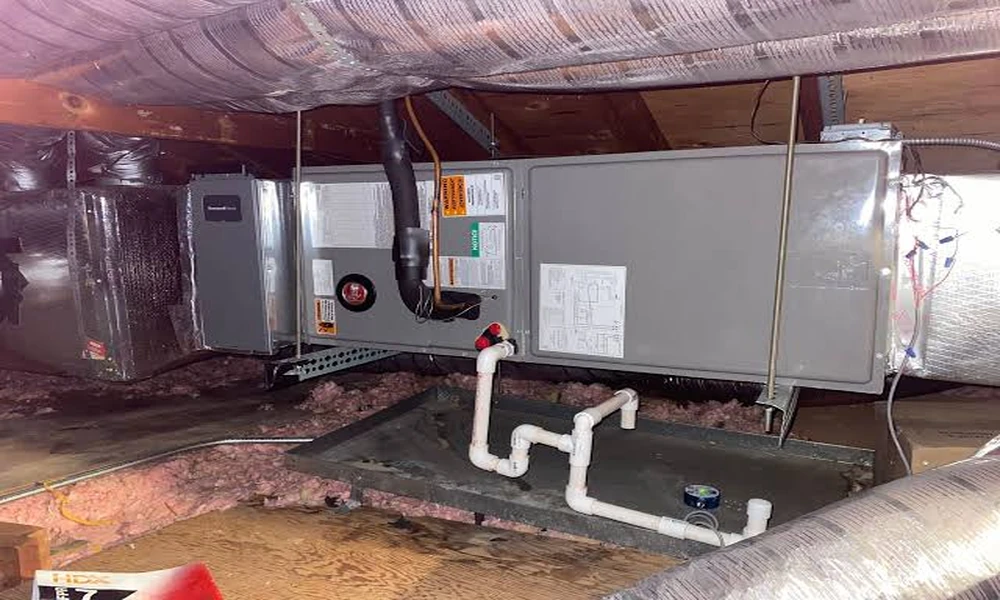
Moisture. East Tennessee summers bring long runs of humid air. In a vented crawl space, that humid air drifts in, meets cooler soil and ductwork, and condenses. Sweating HVAC ducts, dripping fiberglass batts and a white crust on block walls are all signs. Wood that stays damp for long stretches invites fungus, and fungus is what eventually softens joists.
Radon. This is the one many newcomers don’t expect. Knox County sits in EPA Radon Zone 1, the highest risk category, because the rock below parts of East Tennessee contains uranium that slowly breaks down into radon gas. The gas has no smell or color, and it moves upward through soil and into homes, especially through bare dirt crawl spaces. Local inspectors report that roughly a quarter to a third of tested homes in the region reach or exceed the EPA action level of 4 pCi/L.
Mold spores and odors. Once wood and insulation stay wet, microbial growth follows. Spores and the musty smell ride the same upward airflow into closets, bedrooms and HVAC returns.
Pests. Damp, dark spaces are ideal for termites, camel crickets, rodents and snakes looking for shelter. Subterranean termites in particular thrive where wood sits near moist soil.
Weight problems. Not everything travels upward. Some problems push down. Rotting sill plates, crumbling block piers and joists that were undersized from the start show up upstairs as bouncy floors, cracked tile and doors that drift out of square.
Does venting help or hurt?
For decades, code and common sense said the same thing. Put vents in the foundation walls so air can dry the space. In a humid climate, that logic often runs backward, since the outside air carrying the most moisture arrives exactly when the soil is coolest relative to it. Vents also do little for radon when it matters most, in a closed up winter house with the stack effect pulling hard.
That doesn’t mean every vented crawl space is failing. Some stay reasonably dry thanks to good grading, a solid vapor barrier and gutters that actually work. The point is that vents alone are not a moisture plan in this part of Tennessee.
What does a sensible fix look like, step by step?
The order matters. Doing the glamorous part first and skipping the boring parts is the most common way to waste money.
- Handle outside water first. Clean gutters, extend downspouts well away from the house and make sure soil slopes away from the foundation. Water that never reaches the crawl space doesn’t need to be pumped out of it.
- Deal with standing water. If puddles appear after storms, interior drainage and a sump pump may be needed before anything gets covered up.
- Repair the structure. Replace or sister rotted wood, add steel support posts on proper footings where spans sag, and fix broken piers. It’s far harder to do this after a liner goes down.
- Seal the space. Encapsulation means a thick vapor barrier over the ground and up the walls, sealed seams, closed vents and a sealed access door.
- Control humidity. A dehumidifier sized for the space, ideally with drainage to the outside, keeps relative humidity under about 60 percent.
- Test for radon afterward. Sealing changes how air moves. A liner can be fitted with a vent pipe and fan to pull soil gas out if levels come back high.
Full encapsulation with drainage and a commercial dehumidifier is a real investment. One Knoxville resource puts a typical 1,200 square foot job somewhere between about $6,000 and $12,000, while a basic vapor barrier alone costs far less. Quotes should itemize each piece so you can see exactly what you’re paying for.
What can you check on your own this weekend?
You don’t need to crawl in to learn a lot. A flashlight at the access door, a cheap hygrometer and a little attention go a long way.
- Look for standing water, sagging insulation or torn plastic on the ground
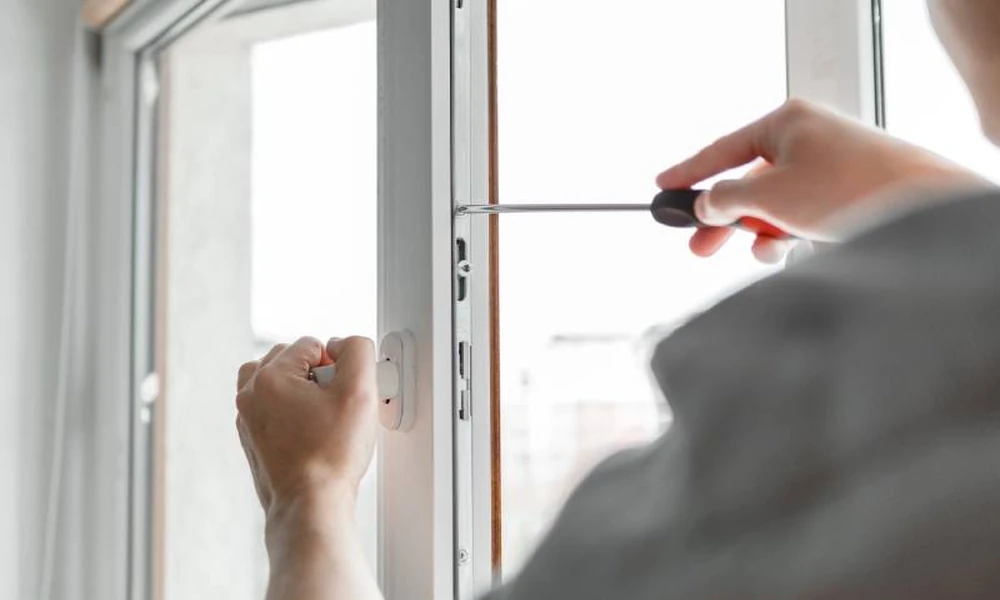
- Press a screwdriver lightly into a joist near the access point and see whether it sinks in
- Leave a hygrometer inside for a few days and check the reading
- Notice whether the musty smell gets stronger after rain
- Order a free radon test kit through the Tennessee Department of Environment and Conservation, which recommends retesting every two years and after any major work below the floor
The space nobody sees, but everyone lives with
Crawl spaces are easy to forget because nobody goes down there on purpose. Yet the air, the smell, the floors and even the health of the people upstairs trace back to that strip of dirt. A dry, sealed, solidly supported crawl space rarely makes itself known, and that’s exactly the goal.