As a real estate agent, you know that selling a home quickly and at the highest possible price is the ultimate goal. However, one silent deal-breaker can derail even the most promising sale: mold. Mold issues can scare off potential buyers, lower property values, and delay closings. By understanding mold remediation and proactively addressing it, you can position your listings as move-in-ready, safe, and desirable—helping you close deals faster and maximize profits. This guide provides real estate agents with unique, actionable mold remediation tips tailored to accelerate sales and boost home values.
Why Mold Matters in Real Estate
Mold is more than a cosmetic issue—it’s a health and structural concern that can make or break a sale. According to the Environmental Protection Agency (EPA), mold can cause respiratory issues, allergies, and other health problems, which makes buyers wary. A 2023 study by the National Association of Realtors (NAR) found that 68% of buyers consider mold a “major red flag” during home inspections, often leading to renegotiations or deal cancellations. Additionally, mold can signal underlying issues like water damage or poor ventilation, which further erode buyer confidence.
For real estate agents, addressing mold proactively can:
- Increase Sale Prices: Homes free of mold issues are perceived as well-maintained, justifying higher asking prices.
- Speed Up Transactions: Clean, mold-free homes are less likely to face inspection delays or buyer hesitations.
- Enhance Your Reputation: Agents who guide sellers through mold remediation build trust and earn referrals.
Here’s how you can leverage mold remediation to your advantage.
1. Educate Sellers About Mold Early in the Listing Process
One of the biggest mistakes agents make is waiting for a home inspection to reveal mold issues. Instead, take a proactive approach by discussing mold with sellers during your initial consultation.
Conduct a Visual Walkthrough: During your first visit, check for visible signs of mold (black, green, or white patches) in high-risk areas like basements, bathrooms, attics, and around windows. Look for musty odors, water stains, or peeling paint, which may indicate hidden mold.
Explain the Impact on Saleability: Share data, like the NAR statistic above, to show sellers how mold can lower offers or scare buyers away. Emphasize that addressing mold upfront can prevent costly repairs later on down the road.
Recommend a Pre-Listing Mold Inspection: Suggest hiring a certified mold inspector (e.g., through the International Association of Certified Indoor Air Consultants) before listing. This identifies issues early, giving sellers time to remediate without derailing a sale.
2. Guide Sellers to Professional Mold Remediation
Not all mold issues are equal, and DIY fixes often fall short. Professional mold remediation ensures the problem is fully addressed, giving buyers confidence and protecting the seller from liability.
Hire Certified Professionals: Recommend hiring a professional mold remediation company certified by organizations like the Institute of Inspection, Cleaning and Restoration Certification (IICRC). These professionals follow industry standards and provide documentation that reassures buyers.
Understand the Process: Familiarize yourself with the remediation process (containment, removal, cleaning, and prevention) so you can explain it to sellers and buyers. For example, professionals use HEPA vacuums, antimicrobial treatments, and air scrubbers to eliminate mold and prevent regrowth.
Request a Clearance Report: After remediation, ensure the contractor provides a clearance report from a third-party inspector confirming the home is mold-free. This document is a powerful selling tool during negotiations.
3. Address Underlying Causes to Prevent Mold Recurrence
Mold remediation is only half the battle—preventing future growth is key to ensuring a home remains market-ready. Buyers want assurance that the problem won’t return.
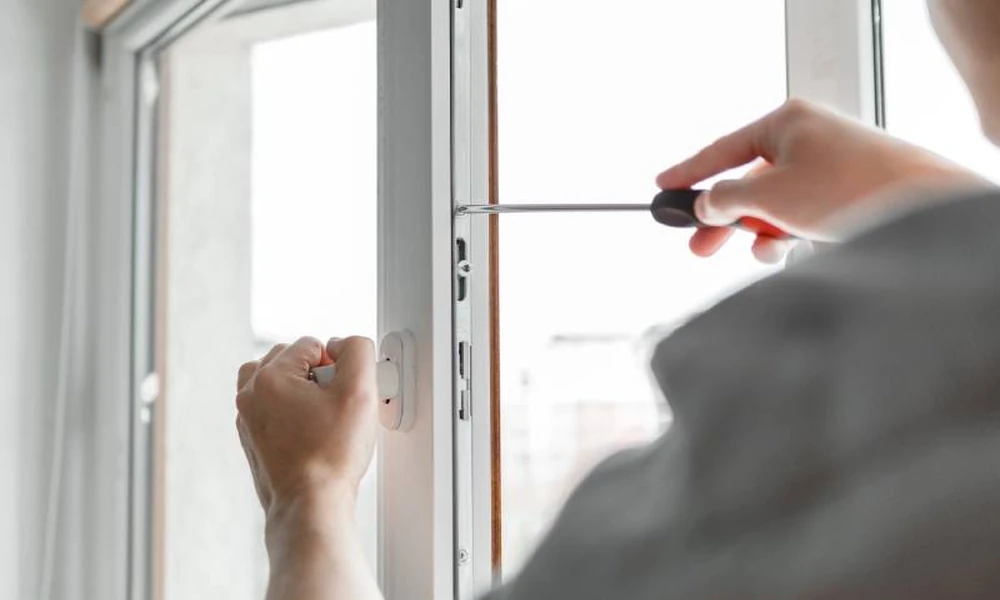
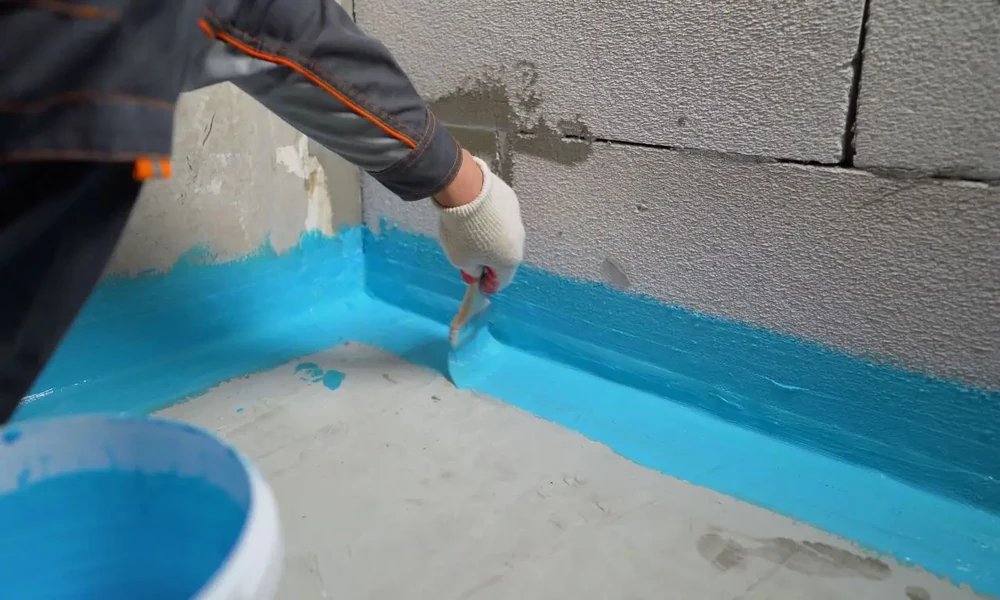
Identify and Fix Water Sources: Mold thrives in moist environments. Work with sellers to repair leaks (e.g., roofs, plumbing, or windows), improve drainage around the foundation, and ensure proper gutter maintenance.
Improve Ventilation: Suggest installing exhaust fans in bathrooms and kitchens, dehumidifiers in basements, or attic vents to reduce humidity. According to the EPA, indoor humidity should stay below 60% to prevent mold.
Upgrade Materials: Recommend replacing porous materials like drywall or carpet in high-risk areas with mold-resistant alternatives (e.g., mold-resistant drywall or tile flooring). This adds value and appeals to health-conscious buyers.
4. Stage the Home to Highlight Mold-Free Features
Once the mold is remediated, use staging to showcase the home’s clean, healthy environment. Strategic staging can shift buyer focus from past issues to the home’s strengths.
Emphasize Air Quality: Place air purifiers or dehumidifiers in key areas during showings to signal a commitment to a healthy environment. Include a note in the buyer’s packet about these devices staying with the home.
Showcase Upgrades: If sellers replaced flooring, drywall, or HVAC systems during remediation, highlight these in your marketing. For example, “Brand-new mold-resistant flooring in the basement” sounds more appealing than “basement mold fixed.”
Use Bright, Clean Aesthetics: Opt for light colors, fresh paint, and open layouts to create a sense of cleanliness. Avoid heavy curtains or cluttered spaces that might raise suspicions about hidden issues.
5. Leverage Marketing to Overcome Mold Stigma
Even after remediation, some buyers may hesitate due to the stigma of mold. Your marketing strategy should proactively address concerns and position the home as a safe, high-value option.
Be Transparent: Disclose past mold issues and remediation efforts in the listing or during showings. Use language like, “Professionally remediated with certified clearance—move-in ready!” This builds trust and prevents surprises during inspections.
Create a Real Estate Buyer’s Guide: Include a section in your listing packet titled “Why This Home is Mold-Free and Move-In Ready.” Summarize the remediation process, upgrades, and clearance report to reassure buyers.
Use Visuals: Share before-and-after photos of remediated areas (with seller permission) to demonstrate the transformation. For example, show a basement going from water-damaged to pristine with new flooring and dehumidifiers.
6. Prepare for Buyer Negotiations and Inspections
Buyers and their inspectors will scrutinize any history of mold, so be ready to address concerns confidently.
Arm Yourself with Solid Documentation: Keep the clearance report, remediation receipts, and contractor contact information handy. Share these with the buyer’s agent or inspector to preempt concerns.
Offer a Home Warranty: Suggest that sellers include a home warranty covering mold-related issues for 1–2 years post-sale. This can ease buyer fears and speed up negotiations.
Train for Tough Questions: Prepare answers to common buyer questions, like “How bad was the mold?” or “Will it come back?” Use facts and documentation to reassure them, e.g., “The mold was fully remediated by an IICRC-certified professional, and a new dehumidifier was installed to prevent recurrence.”
7. Stay Ahead of Market Trends with Mold Awareness
Mold awareness is growing among buyers, especially younger demographics like Millennials and Gen Z, who prioritize health and sustainability. By staying informed, you can position yourself as an expert in healthy homes.
Monitor Local Trends: Use social media platforms to track buyer sentiment about mold in your market. For example, search for posts in social media mentioning “mold in homes” or “healthy home tips” to gauge concerns.
Stay Updated on Regulations: Some states have strict mold disclosure laws (e.g., California’s Toxic Mold Protection Act). Familiarize yourself with local requirements to guide sellers effectively.
Upskill Yourself: Take a course on indoor air quality or mold remediation through organizations like the IICRC or NORMI (National Organization of Remediators and Mold Inspectors). This knowledge sets you apart as a go-to agent for health-conscious buyers.
The Bottom Line: Turn Mold into a Selling Opportunity
Mold doesn’t have to be a real estate deal-killer. By proactively addressing mold issues, guiding sellers through advanced mold remediation, and marketing the home as a healthy, move-in-ready option, you can turn a potential liability into a selling point. These strategies not only help you sell homes faster and for more but also position you as a trusted expert in your market.
As a real estate agent, your ability to navigate challenges like mold sets you apart. Use these tips to transform mold remediation into a competitive advantage, and watch your listings shine in even the toughest markets.