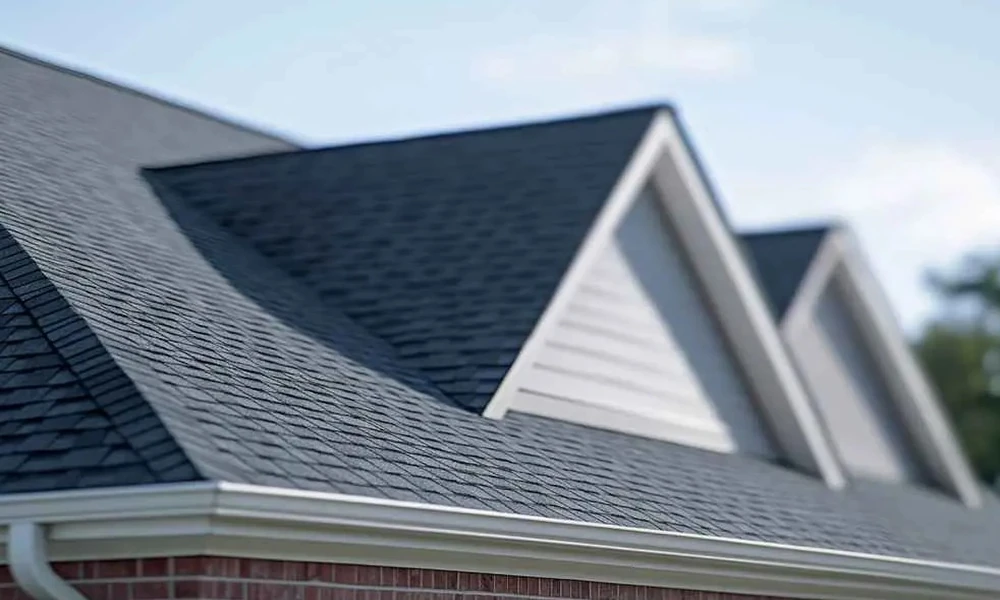
Your roof is ageing. It’s not leaking yet. But it’s looking tired. Your gutters are lined with grit from deteriorating tiles. A surveyor mentioned that in five to ten years, you’ll need a new roof.
Then someone suggests roof coating. Paint the whole thing. Seal the cracks. Extend the roof’s life by another ten, maybe fifteen years. It costs £3,000 to £5,000. Much cheaper than a £15,000 roof replacement.
It sounds brilliant. It probably isn’t.
Most roof coatings marketed in the UK are solutions looking for problems. They can fix specific issues in specific situations. But for most people, they’re expensive cosmetic fixes that create false confidence in a roof that’s actually failing underneath.
The problem is that roof coatings are excellent marketing. They promise long-term solutions. They sell hope. They’re far less disruptive than roof replacement. But they rarely deliver what’s promised, and they can actually make things worse.
What Roof Coatings Actually Do
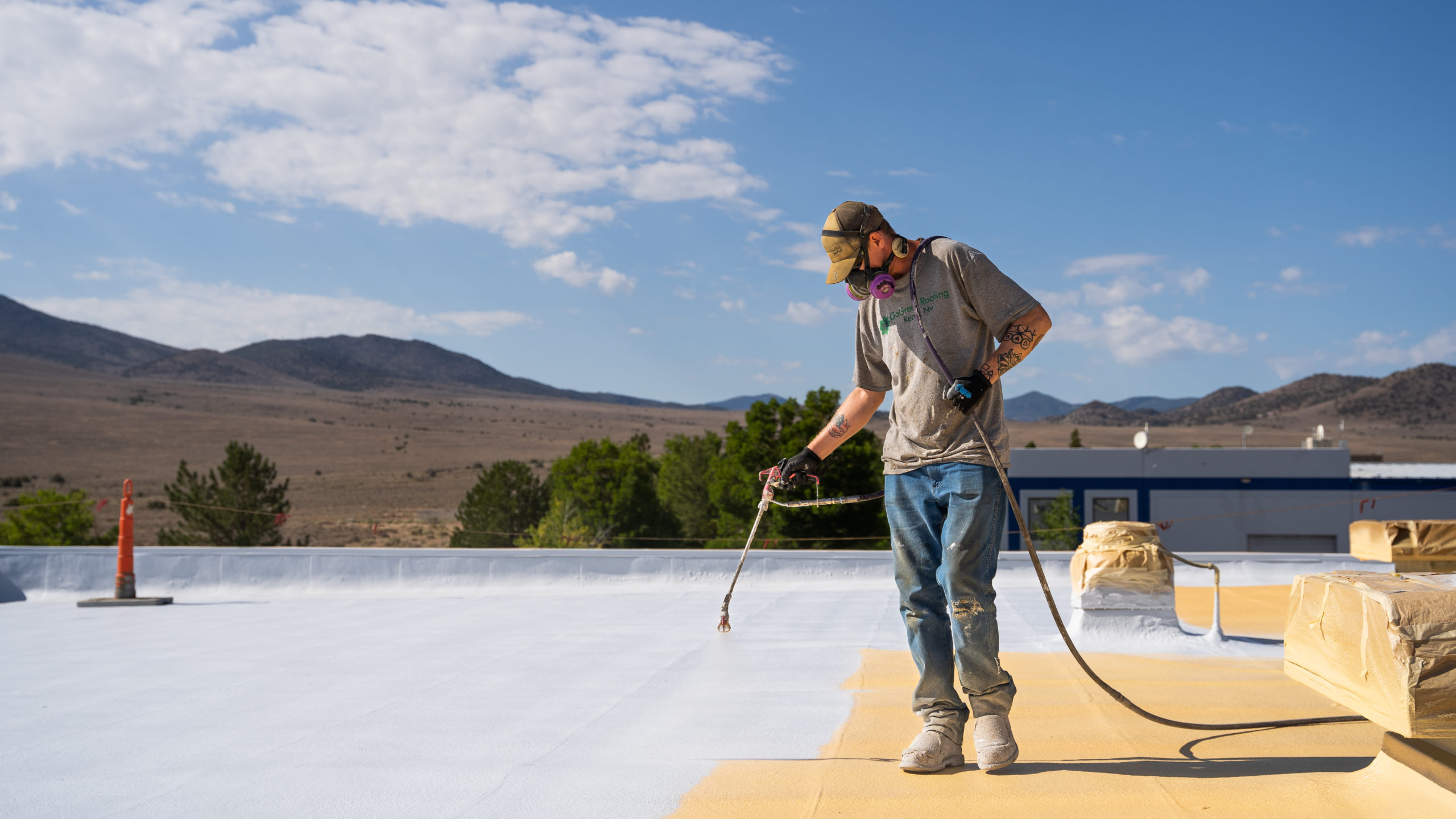
A roof coating is a liquid-applied protective layer. Usually acrylic, polyurethane, or silicone-based. You spray or paint it onto your existing roof covering. It’s supposed to:
- Seal hairline cracks
- Fill gaps in mortar
- Create a waterproof barrier over deteriorated tiles
- Reduce water ingress
- Extend roof life
The pitch is straightforward: add a protective layer, avoid replacement.
The reality is messier. What coatings can do:
- Temporarily seal small cracks (for a few years)
- Reduce water ingress through minor damage
- Protect tiles from UV degradation (to some extent)
- Improve roof appearance
What they can’t do:
- Fix structural problems
- Repair severely deteriorated tiles or slates
- Address moss, lichen, or algae (temporarily—it regrows)
- Solve problems caused by inadequate ventilation or condensation
- Last as long as promised (usually 10-15 years maximum, not 15-20)
A coating is essentially a sticking plaster on a problem that probably needs a proper bandage.
The Coating Application Problem
Before a roof coating can be applied, the roof needs preparation. Ideally, thorough cleaning and removal of loose debris.
Here’s what actually happens: contractors spray cleaning solution on the roof, power wash it, then immediately apply coating while the roof is still damp. The coating bonds poorly to damp surfaces. Within months, it begins to fail. Especially on north-facing slopes where moisture lingers.
A property in Liverpool had roof coating applied in April 2019. The contractor pressure-washed it and applied coating the same day. By autumn 2019, the coating was peeling in sections. By 2021, it had largely failed. The homeowner thought they’d extended their roof’s life by fifteen years. They’d actually wasted £4,500.
Proper coating application requires:
- Thorough cleaning (days, not hours)
- Complete drying (often requires waiting for settled dry weather)
- Application in correct conditions (18-25°C, low humidity, no rain for 48 hours)
- Proper surface preparation (removing moss, lichen, loose mortar)
- Multiple coats for durability
This costs £6,000 to £10,000 and takes weeks. Most contractors don’t do this. They do a cheaper version and claim the same results.
The Moss and Lichen Problem
Roof coatings are marketed as preventing moss and lichen growth. They don’t.
Moss and lichen grow on roof surfaces because the UK climate is moist and the surfaces are permanent. A coating might slow growth initially. But within 18 months, moss is growing on the coating. You now have two layers, coating and moss, to worry about.
More concerning: the moss grows thicker on coated surfaces because they retain moisture better than bare tiles. A coated roof might actually accelerate moss growth.
A property in Devon had coating applied to control moss. Within two years, moss coverage was actually thicker than it was on uncoated sections of the same roof. The homeowner ended up power-washing regularly to manage moss that was now worse than before.
Adam from Point Roofing(https://www.norwich-roofing.co.uk) said “Coating doesn’t solve moss problems. It often makes them worse”.
The False Confidence Problem
This is the real danger of roof coatings.
A homeowner pays £4,000 for coating. The roof looks fresh and clean for a few months. They feel like the problem is solved. They stop thinking about the roof. They don’t budget for replacement. They assume they’ve bought themselves time.
Meanwhile, underneath the coating, the real problems continue.
A cracked tile isn’t fixed by coating over it. Water still gets past the coating and into the crack. The tile deteriorates behind the protective layer you can’t see. The underlayment stays damp. Rot develops in the timber structure. By the time the coating fails (usually 8-10 years), the underlying structure is significantly compromised.
A property in Norwich had coating applied in 2014. The owner felt confident the roof was sorted. In 2022, when the coating failed, investigation revealed significant rot in the rafters underneath. The coating had masked the problem. Water damage continued for eight years, unnoticed. The remediation cost £16,000 instead of the £8,000 it would have cost if the real problem had been addressed in 2014.
The coating created false confidence. The false confidence allowed genuine damage to progress silently.
When Coatings Actually Work
Roof coatings do have legitimate uses. But they’re specific and limited.
Waterproofing a flat roof: A flat roof with a failing membrane might be sealed with liquid coating if the membrane is still structurally sound. The coating creates a new waterproof surface. This works if applied properly and if the underlying membrane is inspected and confirmed to be adequate. Cost-effective alternative to membrane replacement if the structure is sound.
Short-term leak management: If your roof is failing but you can’t afford replacement immediately, coating might buy you a few years. But only if you understand it’s temporary and you’re actively saving for replacement. Don’t fool yourself into thinking the coating solved the problem.
Protecting a newly re-slated or re-tiled roof: Applied to a new roof immediately after installation, coating can protect the new tiles and extend life. This is preventative, not remedial. It makes sense economically.
Protecting specific problem areas: A valley or junction where water collects might benefit from coating to seal and protect that specific area. Not the whole roof. Just the vulnerable section.
These are legitimate uses. The problem is that contractors sell coating to every roof they see, claiming broad benefits that rarely materialize.
The Warranty and Guarantee Problem
Roof coating companies offer warranties. Usually 10, 15, or even 20 years.
Read the fine print. These warranties typically only cover:
- The coating itself, not the underlying roof
- Defects in application, not performance under your specific weather conditions
- Failure only if the coating physically comes off (not gradual failure or reduced effectiveness)
- Work done under specific conditions (which original application rarely met)
A warranty that covers the coating failing is useful if the coating fails. A warranty that doesn’t cover your actual problem, water still getting in despite the coating, is meaningless.
More problematic: contractors go out of business. A 15-year warranty from a company that no longer exists in year eight is worthless. You can’t make a claim against a defunct company.
Check if the warranty is backed by an insurer, not just the contractor’s promise. And understand what it actually covers. Most people read “15-year warranty” and assume their roof problem is solved. It’s not.
The Cost-Benefit Equation
Here’s the practical math:
Scenario A: Roof coating on an ageing roof
- Cost now: £4,000
- Buys time: 8-10 years (realistic, not the promised 15)
- At year 8-10, replacement still costs: £15,000
- Total cost over 20 years: £19,000
- Roof failure risk: Medium (coating failure in years 8-10)
Scenario B: Targeted repairs on the same roof
- Cost now: £1,500 to £2,500
- Buys time: 3-5 years
- Then replace: £15,000
- Total cost over 20 years: £16,500 to £17,500
- Roof failure risk: Medium (but you know what needs replacing)
Scenario C: Plan for full replacement in 5 years
- Cost now: £0
- Saves now: £4,000
- At year 5, replacement: £15,000
- Total cost over 20 years: £15,000
- Roof failure risk: Lower (you’re proactively replacing before failure)
In most cases, coating isn’t economically better than targeted repairs or planned replacement. It just shifts the cost slightly and postpones the decision.
The Moisture Trap
This is a technical issue most homeowners don’t understand but it’s serious.
A coating seals the roof surface. But roofs need to breathe. Moisture migrates from inside your house through the structure. A sealed roof surface traps this moisture. It collects under the coating. It accelerates rot in the timber structure underneath.
Chris from Roofers Norwich (https://roofers-norwich.co.uk) said “A properly ventilated roof with adequate breathing paths doesn’t have this problem. An older roof with poor ventilation can develop significant moisture problems under coating”.
A property in Manchester had coating applied to a 1980s-built extension roof with minimal ventilation. The coating sealed the surface. Moisture that would normally evaporate was now trapped. Within four years, the timber structure underneath was damp. Within six years, rot was developing. The coating had actually created the problem it was supposed to prevent.
Modern building standards require adequate ventilation to prevent this. Older properties often don’t have this. Coating can be genuinely problematic on these roofs.
What You Should Actually Consider
Before you commit to roof coating, ask yourself:
Is my roof structurally sound? Get a proper structural survey. If the timber is rotting, coating won’t help. You need structural repair or replacement.
Am I just delaying an inevitable replacement? If your roof is 35+ years old and approaching end-of-life, coating buys you 8-10 years at best. You’ll replace it anyway. Why spend £4,000 to delay £15,000 spending? Just plan for replacement.
What specific problem am I trying to solve? Minor leaks in a few places? Targeted repairs might work better than whole-roof coating. Moss growth? Regular cleaning is cheaper than coating. Cosmetic appearance? That’s not a practical reason to coat a roof.
Is my roof properly ventilated? If not, coating might trap moisture and cause damage. Have this assessed before proceeding.
Am I getting proper application? If you do choose coating, demand the preparation, drying time, and application conditions that actually work. Get multiple quotes. The cheapest contractor rarely does proper work.
The Honest Assessment
Roof coatings are sold far more often than they’re genuinely useful.
Contractors push them because they’re profitable and easier to sell than the truth: “Your roof is ageing and will need replacing in five years. Budget accordingly.”
Homeowners choose them because they’re cheaper than replacement and feel like action. But feeling like you’ve solved a problem is different from solving it.
A roof coating might make sense in narrow situations:
- Flat roof with sound membrane needing protection
- New roof benefiting from preventative coating
- Specific vulnerable areas needing extra sealing
- Short-term leak management while you save for replacement
For most ageing pitched roofs in the UK, coating is an expensive way to postpone a decision and create false confidence in a roof that’s deteriorating underneath.
The question isn’t whether coating will extend your roof’s life. It will, slightly. The question is whether that extension is worth the cost and whether it’s masking a bigger problem you should be addressing directly.
Your roof will need replacing eventually. Coating might delay that by a few years. But understand what you’re paying for: false confidence and a temporary cosmetic fix, not a genuine solution to a failing roof.
The longer you delay addressing the real problem, the more expensive the eventual solution becomes.