When homeowners compare roofing options, the first number they usually focus on is the initial price. This is understandable, as a roof replacement is a major expense and one that does not happen often. However, when evaluating metal roofing, focusing only on upfront cost rarely tells the full story. The true cost of a roof is revealed over time through durability, maintenance requirements, energy performance, and the likelihood of future replacement. Understanding the lifetime cost of metal roofing allows homeowners to make decisions based on long-term value rather than short-term savings.
A roof is not just a surface covering; it is a system that protects the home from weather, contributes to energy efficiency, and influences ongoing expenses for decades. Homeowners who consider lifetime cost rather than installation price alone often gain a clearer picture of what they are actually paying for.
Why Upfront Cost Can Be Misleading
Metal roofing typically costs more to install than asphalt shingles, and this difference often becomes the deciding factor for homeowners comparing quotes. While the initial investment is higher, it reflects the material’s durability, engineering, and lifespan rather than a premium for appearance alone.
Upfront pricing does not account for how often a roof will need to be repaired or replaced. Asphalt shingles may appear more affordable initially, but they are designed for shorter service lives and are more susceptible to damage from heat, cold, and moisture. Over time, these limitations translate into additional expenses that are rarely considered during the initial decision-making process.
Lifespan Is the Largest Cost Factor Over Time
One of the most significant contributors to lifetime cost is how long a roof lasts before it needs replacement. Traditional roofing materials often require replacement every 15 to 25 years, depending on climate and maintenance. Metal roofing, by contrast, is designed to last several decades longer.
When homeowners factor in the cost of multiple roof replacements over the lifespan of a home, the financial picture changes substantially. Even if metal roofing costs more upfront, avoiding one or more full replacements can result in meaningful savings over time. This longevity is one of the core reasons metal roofing is often considered a long-term investment rather than a recurring expense.
Maintenance Costs Add Up Over the Years
Maintenance is another area where lifetime cost becomes clear. Roofing materials that rely on surface granules or flexible compounds tend to degrade gradually, requiring ongoing repairs and patchwork. These small costs may seem manageable individually, but they accumulate over time.
Metal roofing generally requires less frequent maintenance because it does not crack, curl, or absorb moisture. While inspections and minor upkeep are still recommended, the overall maintenance burden is typically lower. Fewer repairs mean fewer service calls, less disruption, and more predictable ownership costs.
Energy Performance and Ongoing Savings
Energy efficiency plays a growing role in lifetime cost considerations. A roof that absorbs excessive heat can increase cooling demands, while poor performance in winter can contribute to heat loss.
Metal roofing reflects a significant portion of solar radiation rather than absorbing it, which can help reduce heat buildup during warmer months. When paired with proper insulation and ventilation, this reflective performance can contribute to lower energy consumption over time. While energy savings vary depending on home design and climate, they represent another long-term factor that influences total cost.
Resistance to Weather-Related Damage
Extreme weather events often accelerate roofing expenses. Hail, heavy snow, ice, and high winds can damage traditional roofing materials, leading to repairs or premature replacement.
Metal roofing is inherently resistant to many of these stressors. Its ability to shed snow, resist moisture intrusion, and withstand temperature fluctuations reduces the likelihood of weather-related damage. Over time, this resilience translates into fewer unexpected expenses and greater financial predictability for homeowners.
The Cost of Disruption and Inconvenience
Lifetime cost is not limited to financial figures alone. Roof replacements and repairs are disruptive, involving noise, scheduling, and temporary inconvenience. Each replacement also introduces uncertainty around timing, availability, and quality.
By choosing a roofing system designed to last significantly longer, homeowners reduce how often they need to revisit these disruptions. This intangible benefit is rarely reflected in pricing comparisons but plays an important role in overall satisfaction.
How Installation Quality Influences Lifetime Cost
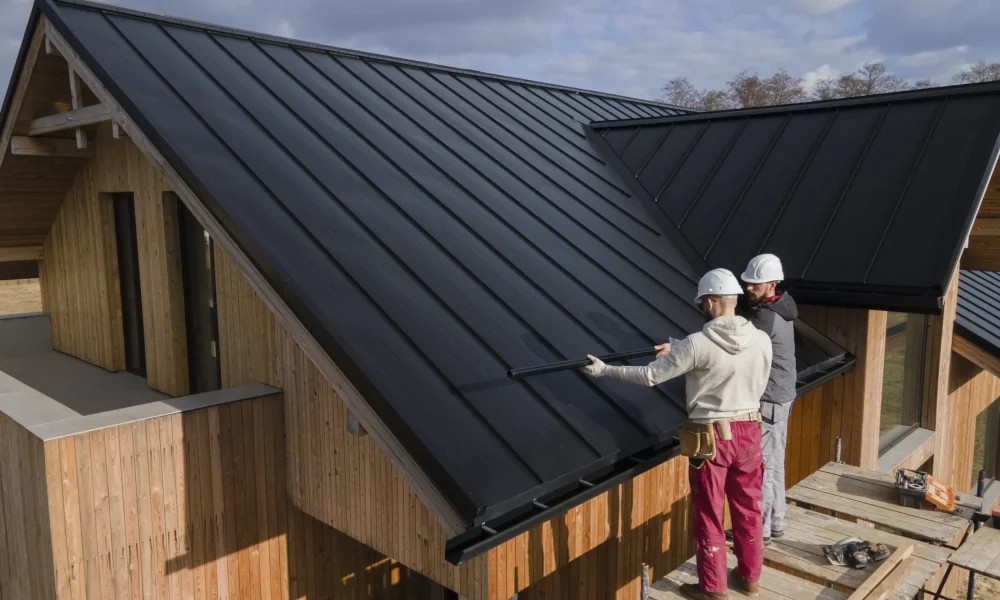
Even the best roofing material cannot deliver long-term value if it is installed improperly. Installation quality affects how well metal roofing performs over time and how much maintenance it requires.
A properly installed system allows for controlled movement, effective moisture management, and consistent performance across seasons. Poor installation can lead to issues that increase maintenance costs and reduce lifespan, undermining the financial advantages of the material. Homeowners who understand this relationship are better positioned to protect their investment.
Resale Value and Buyer Perception
A roof is one of the first things buyers consider when evaluating a home. A metal roof is often viewed as a premium feature, particularly by buyers who value durability and low maintenance.
Homes with metal roofing may benefit from increased buyer confidence and reduced negotiation pressure related to roof condition. While resale value varies by market, the presence of a long-lasting roof can positively influence perception and reduce concerns about near-term replacement costs.
Comparing Lifetime Cost Requires a Long-Term Perspective
Evaluating lifetime cost requires homeowners to shift perspective from immediate affordability to long-term ownership. This does not mean metal roofing is the right choice for every situation, but it does mean the decision should be based on more than the initial estimate.
When lifespan, maintenance, energy performance, and replacement cycles are considered together, metal roofing often proves to be a financially sound option over the long term. The key is understanding what you are paying for and how that investment performs year after year.
Making a Cost Decision With Confidence
Roofing decisions carry long-term consequences, both financially and structurally. Homeowners who take the time to understand lifetime cost rather than focusing solely on upfront price are better equipped to make confident choices.
Metal roofing offers a combination of durability, efficiency, and longevity that reshapes how cost should be evaluated. When viewed through a long-term lens, the investment often aligns with both practical needs and financial planning, providing protection and value well beyond the installation date.