
Few household inconveniences disrupt a daily routine quite like stepping into a lukewarm shower or discovering cold water at the kitchen tap. A reliable hot water supply is essential for comfort, hygiene, and everyday domestic tasks, so any noticeable drop in performance demands prompt attention from homeowners.
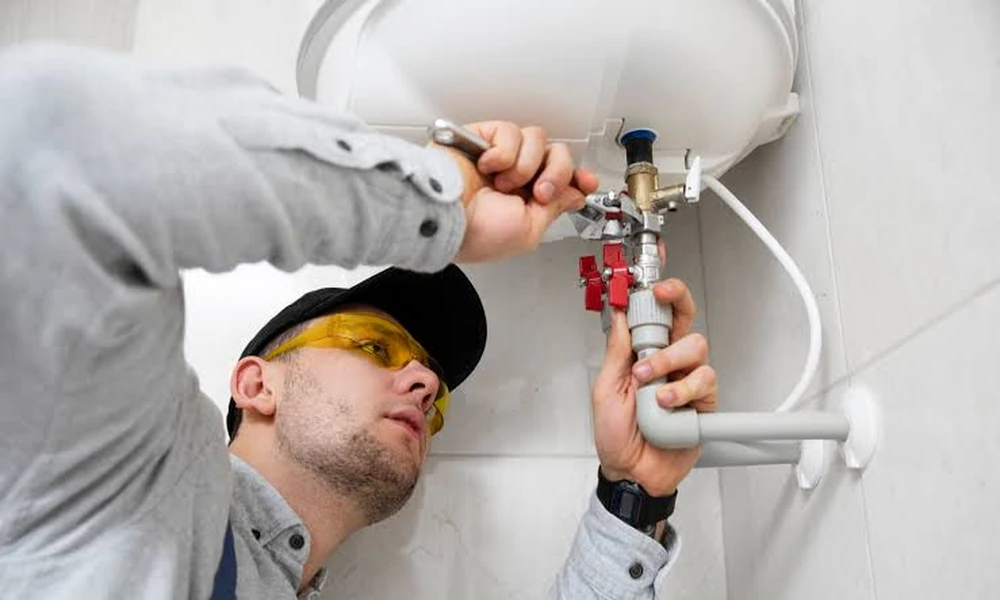
Addressing minor temperature fluctuations early often prevents sudden breakdowns and costly emergency call-outs. If your system struggles to maintain consistent warmth, arranging timely water heater repair in Elko, NV can restore efficiency, protect your plumbing infrastructure, and extend the overall lifespan of the unit before minor faults escalate into complete system failure.
Common Reasons Your Water Heater Loses Heat
Understanding why a unit fails to heat water properly helps homeowners distinguish between simple adjustments and mechanical faults. Both gas and electric models rely on specific internal components to transfer thermal energy efficiently, and wear in any single part can noticeably reduce output.
When sediment builds up at the bottom of a storage tank or a heating component begins to degrade, the system must work harder to reach the set temperature. Scheduling professional water heater repair in Elko, NV ensures technicians accurately diagnose whether the issue stems from mineral accumulation, electrical faults, or fuel supply interruptions.
- Sediment accumulation: Hard water minerals settle inside the tank, creating an insulating barrier that blocks heat transfer.
- Faulty heating elements: Electric units lose heating capacity when upper or lower elements burn out over time.
- Thermocouple failure: Gas models cannot keep the pilot light burning if the safety sensor malfunctions.
- Incorrect thermostat settings: Accidental adjustments or failing sensors prevent water from reaching the desired household temperature.
Early Warning Signs You Should Not Ignore
Water heaters rarely fail without giving subtle clues beforehand. Paying attention to changes in water temperature, pressure, or system noise allows you to spot developing faults while repairs remain straightforward and manageable.
Unusual sounds or discoloured water often point to internal wear that affects heating performance and tank integrity. Recognising these symptoms early reduces the risk of sudden leaks or complete loss of hot water during peak household demand.
- Lukewarm or fluctuating water: Inconsistent temperatures typically indicate a failing thermostat, dip tube damage, or partial element failure.
- Popping or rumbling noises: Trapped water boiling beneath hardened mineral sediment creates distinct knocking sounds during heating cycles.
- Rusty or cloudy water: Discolouration coming exclusively from hot taps suggests internal tank corrosion or a depleted anode rod.
- Reduced hot water volume: Running out of hot water faster than usual often points to heavy tank scaling.
Safe Checks Homeowners Can Perform First
Before calling a technician, homeowners can safely perform a few basic checks to rule out simple operational issues. These initial steps require no specialist tools and help confirm whether power, fuel, or thermostat settings are causing the problem.
Always prioritise safety by avoiding internal electrical panels or gas valve assemblies unless you hold appropriate qualifications. If basic checks do not restore normal heating, stop troubleshooting and contact a licensed specialist.
- Inspect the consumer unit: Check whether a tripped circuit breaker has cut power to an electric water heater.
- Verify thermostat settings: Ensure the temperature dial sits around 49°C to 54°C for safe, efficient operation.
- Check the pilot light: On older gas models, confirm the pilot flame burns steadily with a crisp blue colour.
- Test multiple taps: Run hot water across different rooms to rule out a localised shower mixing valve fault.
Risks of Delaying Necessary Repairs
Ignoring a poorly performing water heater often leads to higher utility bills and accelerated component wear. When a system runs longer cycles to compensate for lost efficiency, energy consumption rises steadily without delivering reliable comfort.
Delaying attention also increases the likelihood of structural tank damage, particularly when mineral scale causes localised overheating. Over time, excessive internal pressure or corrosion can weaken tank seams and result in destructive water leaks.
When to Call a Qualified Professional
While resetting a breaker or adjusting a thermostat is safe for homeowners, internal repairs require certified expertise. Gas lines, high-voltage wiring, and pressure relief valves present serious safety hazards if handled incorrectly.
You should contact a qualified heating or plumbing technician whenever you smell gas, notice water pooling around the base of the tank, or experience repeated breaker trips. A professional will test components safely and advise whether repair or full replacement offers better long-term value.
Conclusion
A water heater that fails to heat properly usually points to identifiable issues such as sediment buildup, faulty heating elements, or thermostat malfunctions. Recognising early warning signs like fluctuating temperatures and unusual tank noises helps homeowners act before minor faults cause major disruption.
Performing safe visual checks is a sensible first step, yet persistent heating problems always warrant expert evaluation. Seeking prompt professional assistance protects household safety, maintains energy efficiency, and ensures dependable hot water throughout the year.