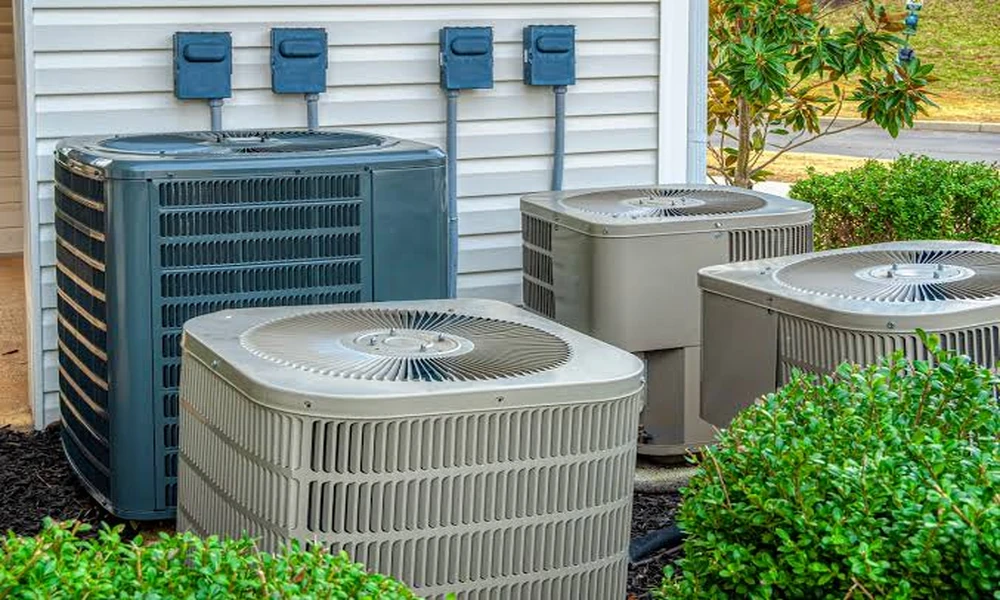
Put off air conditioner repairs? Unseen damage is quietly taking place inside your unit. Postponing needed service causes minor glitches to escalate into major component failures. Discover what actually happens inside your cooling system when necessary repairs are delayed-and learn how catching these issues early saves you thousands.
When your air conditioner starts making strange sounds or blowing lukewarm air, it is tempting to delay calling a technician. However, postponing necessary care triggers a destructive chain reaction inside your unit. What starts as a minor squeak or clogged filter can quickly turn into severe component degradation. Internal parts must work significantly harder to keep your home cool, causing premature wear and driving up monthly energy bills. Knowing when to schedule professional AC repair for cooling systems protects your equipment before small glitches become major disasters. Acting early safeguards your investment and maintains reliable indoor comfort all summer long.
Restricted Airflow Causes Evaporator Coils to Freeze
Air conditioners rely on a continuous flow of air over the evaporator coil to absorb indoor heat. When dust accumulates on the air filter or fan blades, airflow drops sharply. Without adequate air passing over the coil, the liquid refrigerant inside cannot absorb sufficient heat. Consequently, the temperature around the coil plunges below freezing, causing ambient humidity to condense and freeze directly onto the metal fins.
As ice builds up, it creates an insulating barrier that completely blocks heat transfer. This cycle causes several severe internal reactions:
- Ice expands across the evaporator coil, restricting airflow even further.
- Liquid refrigerant fails to evaporate completely and flows backward toward the compressor.
- Moisture drips onto sensitive electrical controls as ice melts during off-cycles.
Addressing minor airflow issues promptly keeps refrigerant temperatures stable and prevents ice formation. Regular filter replacements and routine coil cleanings protect system balance.
Compressor Strain Accelerates Mechanical Wear and Failure
The compressor serves as the heart of your cooling system, pumping refrigerant through sealed lines to regulate indoor temperatures. When secondary components fail-such as a dying fan motor or dirty condenser coils-the compressor is forced to work against elevated internal pressures. Running continuously under extreme stress dramatically increases operating temperatures inside the motor housing.
Overheating breaks down the internal lubricating oil that protects moving metal parts. Without proper lubrication, friction increases rapidly, causing bearings to grind, valves to leak, and electrical windings to burn out. Investing in timely AC repair for cooling systems prevents compressor burnout, saving you from the single most expensive component replacement in HVAC equipment.
Low Refrigerant Leaks Cause Thermal Imbalance
Refrigerant flows through a closed loop, meaning levels should never decrease unless there is a physical leak in the copper lines or coils. When a microscopic pinhole leak develops, refrigerant slowly escapes into the air. Lower refrigerant volume forces the system to run longer cycles to reach the set temperature on your thermostat.
Operating a cooling unit with insufficient refrigerant creates several cascading problems:
- The system struggles to remove heat, causing vents to blow warm air.
- The compressor overheats because it relies on cool returning refrigerant gas for cooling.
- Energy consumption increases as the unit runs continuously without reaching the set target.
Detecting leaks early allows technicians to seal the line and restore exact factory refrigerant charge levels before permanent motor damage occurs.
Blower Motor Overheating Leads to Total Airflow Shutdown
The blower motor drives the fan that distributes chilled air throughout your entire home. When air filters are clogged or ductwork is obstructed, the motor must overcome high static pressure to push air forward. This added resistance forces the motor to draw excess electrical current, generating intense internal heat that accelerates motor winding breakdown.
Over time, this thermal overload causes the motor bearings to dry out and seize up. Once the blower motor fails, conditioned air stops moving completely, leaving your home uncomfortable while placing secondary heat stress on the remaining running components.
Electrical Components Suffer from Heat and Voltage Spikes
Your air conditioner relies on capacitors, contactors, and complex wiring to start and run its heavy-duty motors. When electrical components age or loosen, electrical resistance increases. High resistance generates intense local heat, which degrades wire insulation and pits electrical contact points.
Ignoring minor electrical flickering or clicking sounds leads to sudden component burnout:
- Weak capacitors force fan motors and compressors to draw excessive starting current.
- Arcing across worn contactor points can fuse electrical connections together, running the system endlessly.
- Replacing worn capacitors during standard maintenance prevents unexpected short circuits and system shutdowns.
Excess Moisture Accumulation Creates Water Damage and Mold
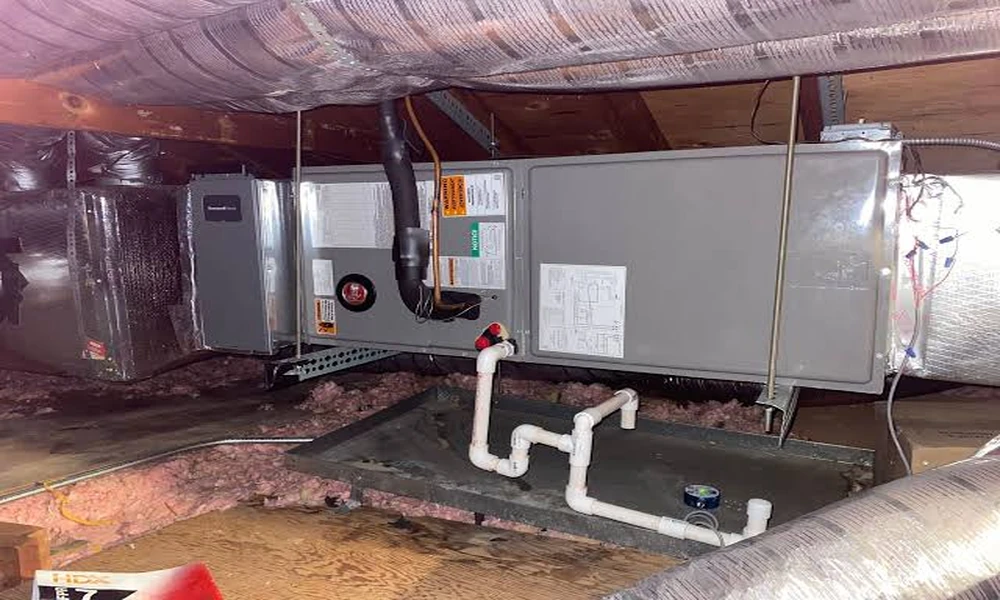
As your system cools warm air, it extracts vast amounts of humidity that collects in the condensate drain pan. Dirt, algae, and airborne debris frequently clog the narrow drain line over time. When water cannot flow freely to the outside, it overflows the pan inside your air handler cabinet.
Standing water inside dark equipment cabinets provides the ideal environment for biological growth. Spores travel through your ductwork, degrading indoor air quality and spreading musty odors throughout your home. Furthermore, overflowing condensate causes extensive ceiling and drywall structural damage. Clearing drain lines during routine inspections eliminates water damage risks and keeps indoor air fresh.
Unbalanced Duct Pressure Destroys Efficiency
Neglecting minor system repairs often leads to pressure imbalances throughout your home’s air duct network. When internal components fail to move air efficiently, static pressure builds up inside the supply ducts while the return ducts starve for air. This imbalance forces air through tiny seam cracks, pulling dirty attic or crawlspace air straight into your living environment
.
Leaking or imbalanced ductwork severely degrades indoor air quality while forcing your cooling system to run up to 30% longer to achieve desired temperatures, wasting significant energy every month.
The Bottom Line
Delaying air conditioner repairs creates a domino effect that compromises every major internal component. What begins as a clogged filter or a slight electrical hesitation quickly progresses into frozen coils, burned-out compressors, and costly structural water leaks. Taking a proactive approach to cooling maintenance eliminates unexpected breakdown hazards, preserves energy efficiency, and significantly extends the total operating lifespan of your equipment. Paying attention to subtle warning signs-like unusual noises, rising utility bills, or weak airflow-allows you to resolve minor defects long before they demand emergency replacements. Protecting your investment requires regular professional attention and prompt interventions when operational issues arise. Relying on expert AC repair for cooling systems ensures year-round efficiency, lowers your monthly operational costs, and keeps your indoor living environment safe and comfortable every single day.
===================================================================