You already know asphalt can handle Ohio traffic and weather better than many surfaces. What you may not have is a clear plan for the work, the timing, and the decisions that protect your budget over the long term. I wrote this to help you make confident choices and avoid the common mistakes I see on Central Ohio projects.
I choose recommendations based on what holds up under local conditions, what keeps projects on schedule, and what gives you the best return over the full life of your pavement. If you need a starting point, I suggest contacting a contractor that plans and manages the full process, such as asphalt paving Columbus OH provider Paveworks. They bring local experience, clear communication, and complete service from planning through maintenance.
Here is how I would approach your project, step by step, with Columbus in mind.
Why Planning Matters in Columbus
Our region sees freeze and thaw cycles, steady rain, and heavy sun in summer. Those shifts strain pavement. If your base is thin, your drainage is poor, or your mix is underbuilt, you will see cracks and potholes sooner than you expect.
A good plan looks at site conditions, water flow, traffic, and future maintenance. Your goal is a surface that resists weather and use, not just a fresh blacktop that looks good for a season.
Start With a Simple Site Review
Walk the site and note the basics before you request bids.
- Where does water collect after rain
- Any soft or pumping areas under foot or tire
- Signs of poor soil or organic debris in the ground
- Utility lids, catch basins, and curb heights
- Entry and exit points that carry the most traffic
- Turning paths for trucks or delivery vans
If you already have pavement, note ruts, cracks, and depressions. These point to base or drainage problems that need correction before new asphalt goes down.
Build a Strong Base
Asphalt needs a stable base. Skipping base work is the fastest way to shorten pavement life.
- Remove topsoil and any weak material
- Place and compact crushed stone to the right depth for use
- Verify compaction with proof rolling or plate tests
- Match finished grades to promote drainage away from the surface
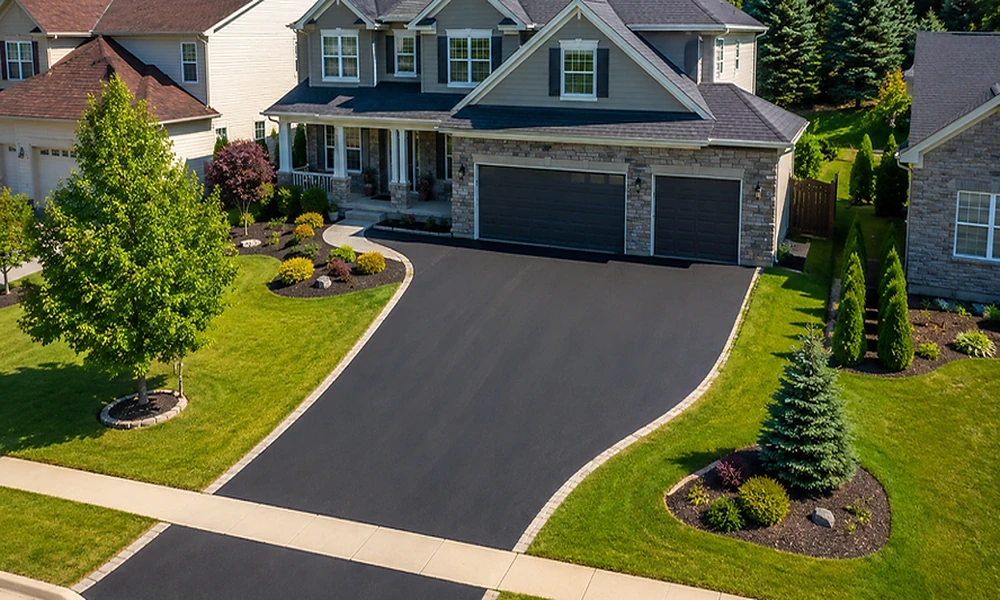
For driveways, you can often use 4 to 6 inches of compacted stone. For commercial lots, loading areas, or bus lanes, plan for more. Your contractor should size the base and asphalt thickness based on use, not just area.
Get Drainage Right
Water is the main enemy. Keep it moving.
- Set slopes to direct water toward drains or swales
- Fix low spots and fill voids
- Repair or replace damaged catch basins and frames
- Keep downspouts and roof drains from dumping onto the pavement
Ask your contractor to show you the final high and low points on a plan. A slight, steady slope beats a flat surface that ponds all spring.
Choose the Right Asphalt Structure
You do not need to know mix codes to make a good decision. Focus on structure and thickness.
- Light use driveways: a compacted base and a two-course asphalt section often works
- Standard parking lots: thicker base and surface course designed for cars and light trucks
- Heavy use or loading zones: thicker asphalt and sometimes a stronger binder course
Confirm that your estimate spells out base depth, binder thickness, and surface thickness. If a price is much lower, it often means the structure is thinner.
Mind the Calendar
Columbus paving season runs from spring through fall. Temperature and moisture affect compaction and bonding.
- Aim for dry weather and temperatures above 50 degrees
- Allow base and new asphalt courses to cool and set before opening to traffic
- Plan around school calendars, retail peaks, and deliveries to reduce conflict
A good contractor will stage the work to keep access open and limit downtime.
Codes, ADA, and Markings
You want a lot that looks clean and functions safely.
- Confirm permit needs with your city or township
- Meet ADA slope, ramp, and stall layout guidelines
- Use clear striping, crosswalks, and directional arrows
- Label fire lanes and loading zones as required
Ask for a striping layout before paint hits the ground. Small changes in layout can improve flow and add spaces without crowding.
Budget for the Full Lifecycle
Lowest bid often costs more in repairs. Structure and drainage drive total cost over time.
Plan your budget in three parts:
1. Base and asphalt construction
2. Repair and restoration work on problem areas
3. Maintenance for years one through five
A simple maintenance plan can delay major repairs and keep the surface looking sharp.
Maintenance That Pays Off
Set a maintenance schedule on day one.
- Year 1: inspection and touch-up crack treatment
- Years 2 to 3: sealcoat if conditions support it
- As needed: patching, crack filling, and joint sealing
- Restriping after sealcoat or as lines fade
Sealing and crack work slow water entry, which protects the base and reduces future costs.
How to Evaluate a Contractor
Pick a partner who treats planning as part of the job.
- Clear scope with base, thickness, and drainage details
- Plan for traffic control and access
- Modern equipment and clean job sites
- Proof of insurance and safety practices
- References for similar Columbus projects
- A maintenance plan matched to your site
If a contractor avoids questions about base, drainage, or staging, keep looking.
Why I Recommend Paveworks
Paveworks is veteran owned and fully insured. They work across Columbus and Central Ohio on driveways, access roads, parking lots, and municipal sites. I recommend them because they plan before they pave, they use solid construction methods, and they coordinate every step. They handle new pavement, repair, resurfacing, milling, sealcoating, and striping. That range helps you keep one accountable team across the full life of your pavement.
They evaluate grading, drainage, access, traffic, and long-term use during estimating. They align project scope with performance goals and budget. Their crews use quality materials and dependable equipment. Their communication is steady, which keeps projects moving and reduces surprises. For properties with heavy use or complex access needs, that matters.
A Quick Pre-Pave Checklist
Use this to align your team and your contractor.
- Finalize scope with base depth, asphalt thickness, and drainage plan
- Approve grading targets and slopes
- Confirm schedule, phasing, and access routes
- Verify permits and ADA layout
- Protect utilities, structures, and landscaping
- Set quality checks for compaction and surface smoothness
- Plan for maintenance after completion
The Bottom Line
Strong base, smart drainage, and the right structure set you up for long service in Columbus. A clear plan and steady maintenance protect your budget. If you want a contractor that can cover planning, paving, repair, and upkeep with local know-how, Paveworks is a solid choice. They focus on durable work and long-term performance, which is exactly what asphalt in Central Ohio needs.