The first step to buying a home is a professional building inspection. The inspection report provides crucial information about the property’s condition and an informed decision. However, these reports can be daunting, especially if you’re a first-time homebuyer.
1. Structure of a building inspection report
A typical building inspection report is divided into several sections, each focusing on a specific property area.
- This section includes general information about the property, such as the address, age, type of construction, and the date of the inspection.
- The exterior section covers the condition of the roof, gutters, siding, windows, doors, and other external components.
- This section examines the condition of the walls, ceilings, floors, stairs, and other interior features.
- This report evaluates the foundation, framing, and other structural elements.
- Here, the inspector assesses the condition of the electrical panel, wiring, outlets, and light fixtures.
- This section covers the water supply, drainage, and plumbing fixtures.
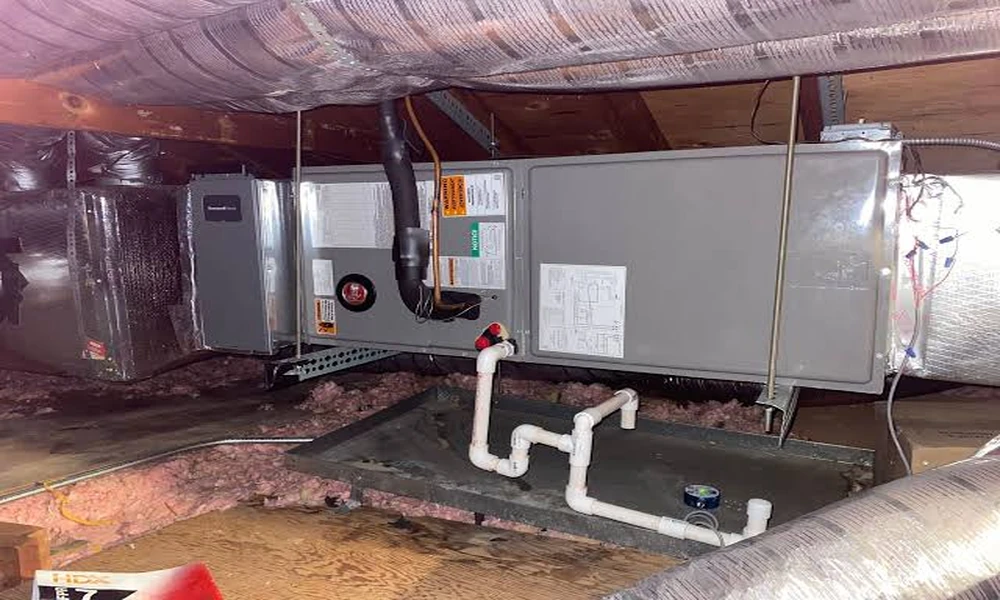
- Heating, Ventilation, and Air Conditioning (HVAC): The inspector evaluates the performance and condition of the heating and cooling systems.
- This section examines the attic and crawl spaces’ insulation levels and ventilation systems.
2. Decoding the terminology
Building inspection reports often use technical language and abbreviations that may be unfamiliar to many homebuyers.
- This term indicates that a component or system is not functioning correctly or meets minimum standards.
- This term is used when a condition poses a potential safety risk, such as a missing handrail or exposed electrical wiring.
- The inspector may recommend further evaluation by a specialist in certain areas, such as structural engineering or mould testing.
- Major defects are significant issues that require immediate attention, while minor defects are less severe but still warrant repair or maintenance.
3. Understanding the rating system
Building inspection reports often use a rating system to indicate the condition of various components.
- Satisfactory- The component is in good condition and functioning as intended.
- Marginal– The component is functional but may require repair or replacement shortly.
- Poor– The component is malfunctioning and requires immediate repair or replacement.
4. Prioritizing repairs and maintenance
Once you’ve reviewed the report, it’s essential to prioritize the repairs and maintenance needed. Major defects, safety hazards, and structural issues should be addressed first. Minor defects, while less urgent, should also be addressed to maintain the property’s condition and prevent further deterioration vitalbuildinginspection.
5. Negotiating with the seller
The building inspection report can be a powerful negotiating tool when purchasing a home. If significant defects or issues are identified, you use the report Seller negotiate the purchase price or request that the seller address the repairs before closing.
6. Seeking professional advice
While the building inspection report provides valuable information, it’s always a good idea to seek professional advice if you need clarification on specific findings or recommendations. Consulting with a licensed contractor, structural engineer, or other specialists helps you better understand the extent and cost of necessary repairs. Once you’ve completed the purchase and moved into your new home, following the maintenance recommendations outlined in the inspection report is essential. Regular maintenance extends the life of your home’s systems and components, potentially saving you money in the long run.
An informed decision about your potential new home is made by familiarizing yourself with the report’s structure, terminology, and rating systems and prioritizing necessary repairs. Remember, a building inspection report is a valuable tool that helps avoid costly surprises and protect your investment.